

What to Consider Before Choosing Paint Colours for Your Kitchen
The kitchen is often called the heart of the home—and for good reason. It’s where meals are prepared, conversations happen, and memories are made. Because of this, choosing the right paint colour for your kitchen is more than just a design decision; it’s about creating a space that feels welcoming, functional, and visually appealing. With modern homes embracing both style and practicality, selecting the perfect colour requires careful consideration of several key factors.
Key Factors to Consider When Choosing Kitchen Paint Colours
When selecting kitchen paint colours, it’s essential to think about how the space is used daily. Kitchens are high-traffic areas exposed to heat, moisture, and stains, so your colour choice should not only look good but also perform well over time. Light shades like white, cream, and pale grey are popular because they reflect light, making the space appear larger and cleaner. These tones also create a fresh and timeless look that works well in modern kitchens.
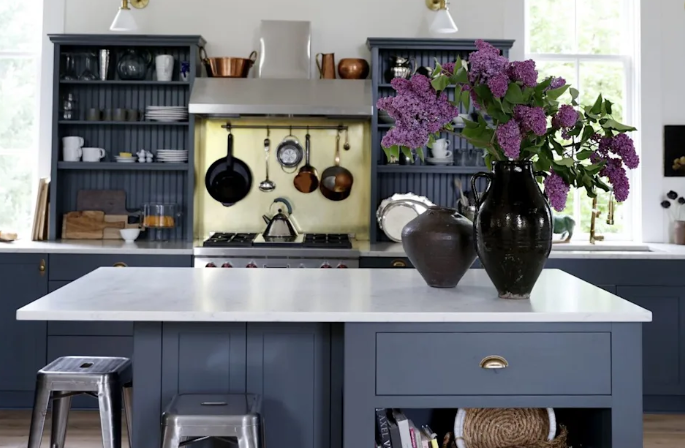
On the other hand, darker shades such as navy blue, deep green, or charcoal can add depth and sophistication. These colours are ideal for larger kitchens or as accent walls, helping to create a bold yet balanced aesthetic. However, it’s important to use darker tones strategically to avoid making the space feel cramped.
Another crucial factor is your personal style. Whether you prefer a minimalist design or a more vibrant look, your kitchen colour should reflect your personality while maintaining harmony with the rest of your home.
The Role of Lighting in Colour Selection
Lighting is one of the most important elements to consider when choosing kitchen paint colours. Natural light can make colours appear brighter and more vibrant, while artificial lighting can change the tone entirely. For example, warm lighting can make colours look more yellow or orange, while cool lighting can give them a bluish tint.
To ensure the best results, always test paint samples on your kitchen walls and observe them at different times of the day. Morning light, afternoon sunlight, and evening artificial lighting can all affect how the colour appears. This step helps you avoid surprises and ensures that the chosen shade looks great in every situation.
Matching Colours with Kitchen Elements
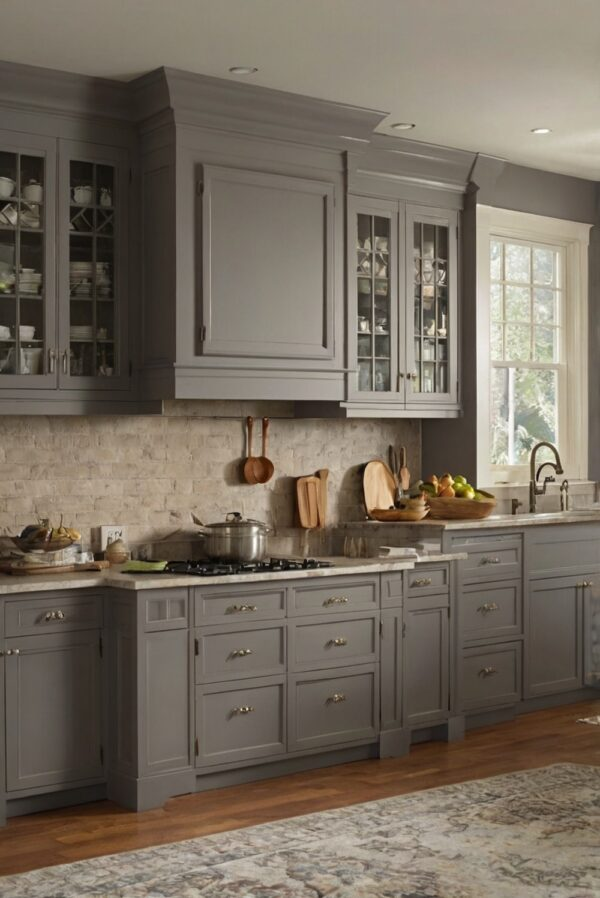
Your kitchen is made up of multiple elements—cabinets, countertops, backsplashes, and flooring—all of which should complement your wall colour. A well-coordinated palette creates a cohesive and visually appealing space.
Popular Colour Combinations
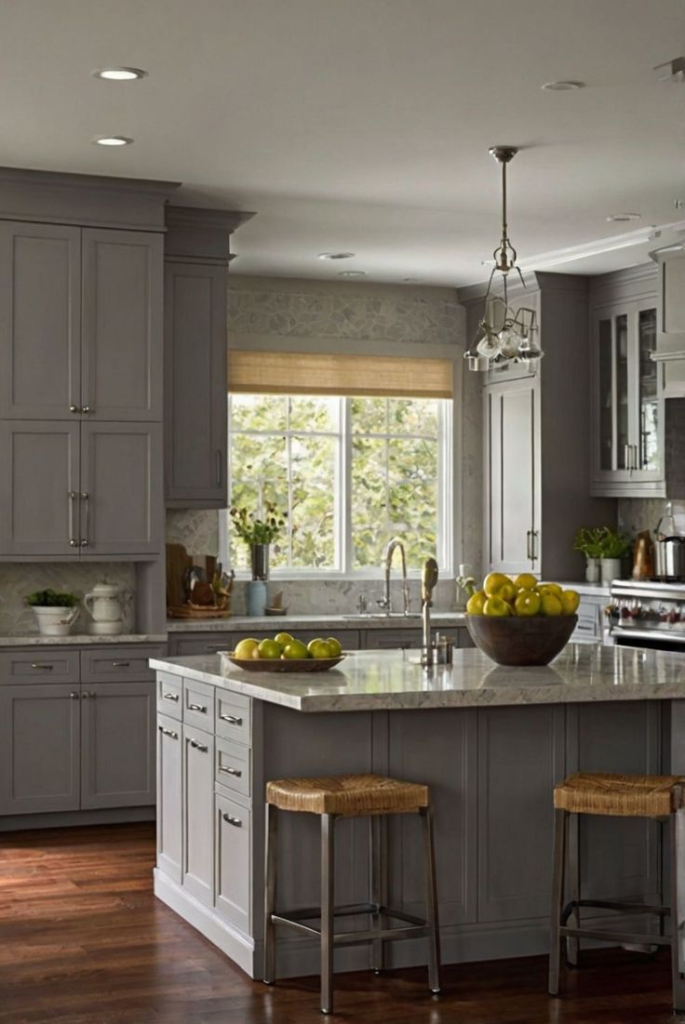
- White cabinets with soft grey walls for a clean and modern look
- Wooden cabinets with earthy tones for warmth and a natural feel
- Dark cabinets paired with light walls for contrast and balance
- Marble countertops with neutral shades for elegance and sophistication
When choosing colours, consider the undertones of your existing materials. For example, warm-toned wood pairs best with warm paint colours, while cool-toned surfaces work better with cooler shades.
Understanding Colour Psychology in the Kitchen
Colours have a powerful impact on mood and behaviour, which is especially important in a space like the kitchen. Warm colours such as red, orange, and yellow can stimulate appetite and create an energetic atmosphere. These shades are great for lively kitchens, but should be used in moderation to avoid overwhelming the space.
Cool colours like blue and green have a calming effect, making them ideal for creating a relaxed and refreshing environment. Neutral tones, on the other hand, provide balance and versatility, allowing you to update your décor without repainting easily.
Understanding colour psychology can help you choose a shade that not only looks good but also enhances your kitchen’s overall experience.
Choosing the Right Paint Finish
In addition to colour, the type of paint finish you choose is equally important. Kitchens require durable and easy-to-clean surfaces due to frequent exposure to grease, moisture, and spills.
Recommended Finishes
- Satin finish: Durable and easy to clean, ideal for most kitchen walls
- Semi-gloss finish: Highly مقاوم to moisture and stains, perfect for areas near sinks and stoves
- Matte finish: Good for hiding imperfections but less durable in high-traffic areas
Selecting the right finish ensures that your kitchen walls remain attractive and easy to maintain over time.
Exploring Modern Kitchen Colour Trends
Modern kitchens are evolving beyond traditional all-white designs. Today’s trends focus on blending functionality with personality, allowing homeowners to experiment with a wider range of colours.
Some of the most popular trends include:
- Muted greens and sage tones for a natural and calming effect
- Deep blues and navy shades for a bold and sophisticated look
- Two-tone kitchens with contrasting upper and lower cabinets
- Warm neutrals that create a cozy and inviting atmosphere
If you’re unsure where to start, exploring ideas like the best kitchen colour paint can inspire and help you discover combinations that suit your style and space.
Practical Tips for a Perfect Paint Job
Achieving a professional-looking finish requires proper preparation and technique. Here are some essential tips to ensure the best results:
- Clean the walls thoroughly to remove grease and dirt
- Repair any cracks or imperfections before painting
- Use a high-quality primer for better adhesion and coverage
- Apply multiple thin coats instead of one thick coat
- Invest in good-quality brushes and rollers for a smooth finish
Taking the time to prepare your kitchen properly can make a significant difference in the outcome.
Common Mistakes to Avoid
Even with careful planning, some common mistakes can affect the overall look of your kitchen:
- Choosing a colour without testing it first
- Ignoring the impact of lighting
- Overusing bold colours without balance
- Failing to coordinate with existing elements
- Using low-quality paint that doesn’t last
Avoiding these mistakes can save you time, money, and frustration while ensuring a beautiful and long-lasting result.
Final Thoughts
Choosing the right paint colour for your kitchen is a balance of style, functionality, and personal preference. By considering factors like lighting, colour psychology, existing elements, and modern trends, you can create a space that is both visually appealing and practical. Whether you prefer soft neutrals, bold statement colours, or a mix of both, the key is to create harmony and comfort in one of the most important areas of your home.
With the right approach and thoughtful planning, your kitchen can become a stylish and inviting space that truly reflects your taste and lifestyle. For high-quality finishes and long-lasting results, you can rely on Good Drop Paint to bring your kitchen vision to life with confidence.
