

Searching for Jellycat in Australia can mean looking for a gift, tracking down a particular character or checking whether an online listing is genuine. Jellycat is a London-born soft-toy brand known for classic animals and playful characters inspired by food and everyday objects. This guide covers where Australians can start their search, what to check before paying, and how to choose a toy with care.
What is Jellycat?
Jellycat makes soft toys and related gifts. Familiar designs include the Bashful Bunny and Bartholomew Bear, while the Amuseables collection turns ideas such as food, plants and everyday objects into plush characters. Product names, sizes and seasonal designs can change, so check the exact item’s current product page rather than relying on an old photo or listing.
Jellycat says its story began in London in 1999. Read the brand’s official story for more about its designs and background.
Where to buy Jellycat in Australia
For an Australian purchase, start with retailers that clearly list Jellycat products and explain who they are. For example, MeeQ’s Jellycat collection describes MeeQ as an authorised retailer, and Connection Homewares’ Jellycat range describes the business as an official stockist. Dymocks also lists Jellycat toys. These are starting points, not a guarantee that a specific character is available or that every product will be in stock.
Before you order, check the exact design and size, the total price in Australian dollars, postage, dispatch estimates, returns policy and the seller’s contact details. Availability can change, especially for seasonal designs. If you cannot confirm a seller’s authorised status, ask Jellycat before paying. Its brand protection statement explains why the company warns buyers about counterfeits.
How to check whether a Jellycat is genuine
The most reliable starting point is a seller whose identity and stockist status you can verify. Jellycat says it can vouch for the safety and quality of products bought through its authorised stockists, and warns that counterfeit toys may not meet the same standards.
- Check the seller: look for a real business name, contact details, clear delivery terms and a returns policy.
- Compare product details: check the design name, size and description against the brand’s own product information.
- Be cautious with extreme discounts: a very low price, copied-looking listing or vague product description deserves extra checking. Price alone cannot prove a toy is fake or genuine.
- Do not rely on a tag or photo alone: ask the brand or a confirmed stockist if you are unsure.
- Take care with resale listings: ask for current photos and inspect a second-hand toy for damage before giving it to a child.
What parents should check before buying
Do not assume every soft toy is suitable for every age. Check the age guidance, warnings and care instructions for the exact Jellycat product, including the sewn-in label. Jellycat publishes its safety and care guidance online.
The Australian Competition and Consumer Commission (ACCC) advises buyers to choose toys that suit the child’s age and are sturdy and well made. Its kids’ toys guide recommends checking soft toys for secure seams and loose threads, and watching for damage or small parts that could come off. Stop using a toy if it becomes torn or damaged.
For babies, follow safe-sleep guidance and keep soft toys out of the baby’s sleep space. A brand name or a high price does not replace age labels, product instructions or safe use.
If you are comparing different types of tactile play items, you may also find our guide to sensory toys in Australia useful. Choose any toy based on the individual child’s age and needs, rather than assuming a plush toy will provide a specific developmental or therapeutic benefit.
Which Jellycat style should you choose?
- For a classic gift: look at familiar animal designs such as a bunny or bear, then compare the available sizes.
- For someone who likes quirky characters: explore Amuseables, which includes plush designs inspired by food and everyday objects.
- For a baby or toddler: prioritise the exact item’s age guidance, warnings and construction over its appearance.
- For a collector: confirm the precise character name and size. Do not assume a retired or seasonal design will return.
Think about who the gift is for, how it will be used, how it should be cleaned and how much you want to spend. A popular design is not automatically the best choice for every person or occasion.
Frequently asked questions
Is Jellycat a British brand?
Jellycat says its story began in London in 1999. The brand is known for soft toys with playful animal and everyday-object designs.
Are all Jellycat toys suitable for newborns?
No. Check the age recommendation and warnings on the exact product and its label. Follow the care instructions and keep soft toys out of a baby’s sleep space.
Do Australian retailers all stock the same Jellycat toys?
No. Product ranges, prices and stock can vary by seller and change over time. Confirm the exact item and delivery terms before ordering.
How can I find an authentic Jellycat?
Buy from a seller whose authorised status you can verify. Jellycat’s brand protection statement explains its approach to counterfeit products; contact the brand if a seller’s status is unclear.
Final thoughts
Jellycat’s range includes classic soft animals and playful Amuseables, but the best purchase depends on the person receiving it, the specific product and your budget. In Australia, check the seller, compare the exact product and total cost, and read age and care guidance before you buy. Those steps are more reliable than judging a listing by a product photo or discount alone.
Editorial note: Stock and prices can change. Retailer examples are provided as a starting point for shoppers, and this article is not sponsored by Jellycat or the retailers mentioned.
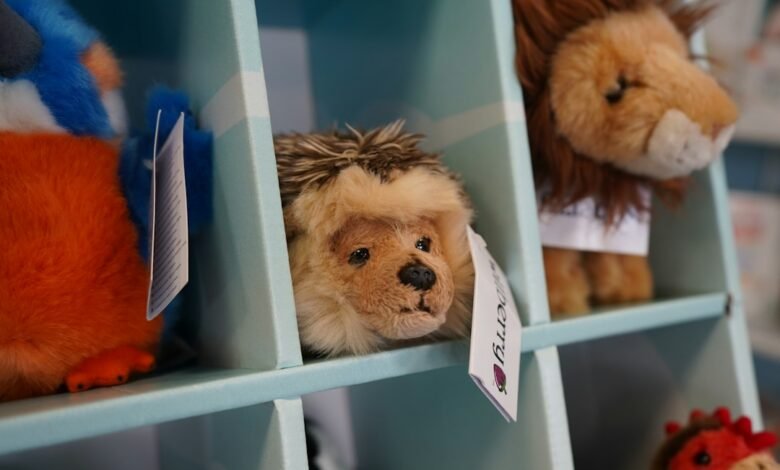
Featured image credit: Geoffrey Moffett / Unsplash. Illustrative plush-toy photo; it is not a Jellycat product image.