

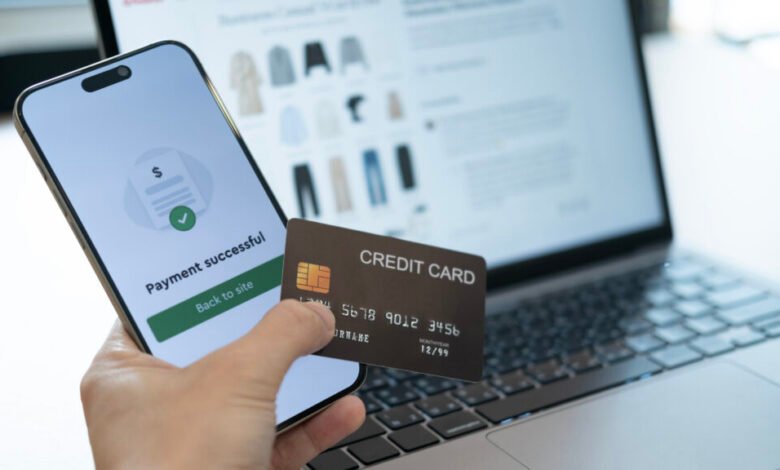
A recurring card payment is an automatic charge to your debit or credit card that repeats on a set schedule — weekly, monthly, or yearly — until you cancel it. You give a business your card details once, and they charge the same card again on each billing date without you having to pay manually.
Streaming services, gym memberships, insurance premiums, and software subscriptions are the most common examples. If you have ever signed up for a free trial and then noticed a monthly charge appear, that charge was a recurring card payment. Suncorp Bank explains it simply: you hand over your card details so a merchant can make regular scheduled charges.
How a recurring card payment works
The process has four simple steps:
- You agree to the arrangement. When you sign up, you accept the amount, how often you will be charged, and that charging will continue until you cancel. This is usually a tick box or a line in the terms at checkout.
- Your card details are stored. The business does not keep your actual card number on file. Instead, the payment processor replaces it with a secure token — a stand-in value that can only be used by that merchant for that arrangement.
- You are charged on schedule. On each billing date, the merchant sends the stored token to its payment processor, which asks your bank to approve the charge. If it is approved, the money leaves your account and the service continues.
- You get a receipt. Most businesses email a receipt or invoice after each charge. If you do not recognise a charge, that receipt is the first place to check what it was for.
What kinds of payments use recurring card payments?
Almost any regular bill can be set up this way, including:
- Streaming and music subscriptions
- Gym and club memberships
- Insurance premiums paid monthly
- Software, apps, and cloud storage
- Meal kits, pet food, and other subscription boxes
- Magazine and news subscriptions
There are two common types. A fixed recurring payment charges the same amount every time, like a $15 monthly streaming plan. A variable recurring payment can change from month to month, like a phone plan where the bill depends on usage. With a variable payment, the business should tell you how the amount is worked out before you agree.
Recurring card payment vs direct debit
People often mix these two up, but they work differently. A recurring card payment charges your card, while a direct debit pulls money straight from your bank account using your BSB and account number. That difference matters: a card payment can fail if your card expires or is replaced, while a bank-account direct debit keeps going as long as the account stays open.
If you want the full side-by-side comparison, read our guide to direct debit vs recurring card payment. And if you are not sure how the bank-account version works, our explainer on how a direct debit works covers it step by step.
What happens when your card changes?
This is the part that catches most people out. If your card expires, is lost, or is replaced, the old stored token stops working and future charges will usually fail. You will need to update your card details with each merchant to keep the service running.
But there is an exception worth knowing about. Some card networks run an account updater service: when your card is reissued, your new card details may be passed on to merchants you have already authorised, so the charges keep going without you doing anything. Suncorp notes this for its Visa debit cards, and you can ask your bank to opt out of the service if you would rather update your details yourself.
What happens if a payment fails?
A failed payment does not always mean the service stops straight away. Many businesses will try again a day or two later, and some will send you an email asking you to update your card. If the payment keeps failing, the business will usually pause or cancel your service — but check the terms, because some contracts keep charging late fees or keep the account active until you cancel properly.
If money has already left your account for a service you cancelled, contact the merchant first and ask for a refund. If the merchant will not help, contact your bank and ask about disputing the transaction. For credit card charges, this is known as a chargeback, and your bank can explain whether your situation qualifies.
How to stop a recurring card payment
Stopping one is usually straightforward, but the exact steps depend on where you set it up:
- Cancel with the merchant first. Log in to the service, go to billing or subscriptions, and cancel there. Keep the confirmation email or screenshot.
- Check your bank app. Some banks let you view and stop recurring card payments from inside the app, or block the merchant from charging that card.
- Watch the next billing date. After cancelling, check your statement on the next date a charge would have landed. If a charge still appears, contact the merchant with your cancellation proof, then your bank if needed.
One warning: cancelling the card itself does not always stop the arrangement. If the merchant has an updated card on file through the account updater service mentioned above, charges can follow you to the new card. Cancel with the merchant, not just the card.
Things to watch out for
- Free trials that roll into paid plans. Set a reminder a day before the trial ends so you can decide properly instead of discovering the first charge.
- Price rises. Merchants can raise the price under their terms, but they should notify you first. Read billing emails instead of deleting them.
- Forgotten subscriptions. Check your statements every month or two. Small charges are easy to miss, and they add up fast.
- Too many stored cards. The more places that hold your card details, the harder it is to track them all. Keep a simple list of every service you pay for by card.
The bottom line
A recurring card payment is simply permission you give a business to charge your card again and again on a schedule you agreed to. It is convenient — no bills to remember, no service interruptions — as long as you know what you signed up for, keep track of the charges, and cancel properly with the merchant when you are done. Check your statements regularly, and you will never be surprised by one again.