

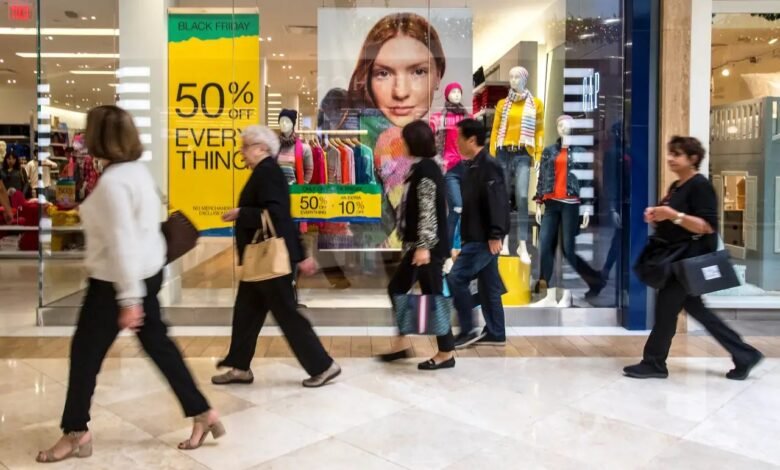
Black Friday is no longer just one day of discounts. It has become a month-long sale season, and if you wait until the Friday itself, you may miss the best prices — or rush into a deal that was never as good as it looked. Here is when the sales start, what is usually worth buying, and how to tell a real bargain from a fake one.
Quick Answer: Black Friday falls on Friday, 27 November 2026, and Cyber Monday follows on Monday, 30 November 2026. Many retailers start their Black Friday deals early, from around 20 November, and some run offers even earlier in the month. Sale items still carry consumer guarantee rights — a “no refunds on sale items” sign does not remove them. For the official word on your rights, see the ACCC.
When do Black Friday sales start?
Black Friday is always the fourth Friday in November, the day after Thanksgiving in the United States. In 2026 that is Friday, 27 November. Cyber Monday, the online-focused follow-up, is three days later on Monday, 30 November.
In practice, the sale season starts well before that weekend. Here are the key dates to plan around:
- Click Frenzy Main Event — 27 to 30 October 2026: this year’s main Click Frenzy event has just finished, so if you missed it, Black Friday is your next big window.
- Singles Day — Wednesday, 11 November 2026: a smaller online sale event, worth a look if you shop on marketplaces.
- Early Black Friday deals — from around 20 November: many major retailers open their Black Friday promotions a week or more before the Friday itself.
- Black Friday to Cyber Monday — 27 to 30 November 2026: the main four-day weekend, when the widest range of deals is usually live.
- Boxing Day sales — from 26 December: if an item is not urgent, it is worth comparing the Black Friday price with what Boxing Day brings.
Not every store follows the same timetable, and early deals are not always the cheapest. The best approach is to decide what you want now, note its current price, and watch whether the Black Friday price is genuinely lower.
What is usually worth buying on Black Friday?
Black Friday has become one of the biggest sale events of the year for technology, appliances, fashion, beauty and homewares. Televisions, laptops, headphones, kitchen appliances and Christmas gifts tend to get the strongest discounts, because retailers compete hardest in those categories.
That does not mean everything with a red “sale” tag is a bargain. Everyday items that are discounted all year round often get a bigger-looking percentage simply because the starting price was set high. Compare the product, not the percentage.
How to spot a fake discount
The competition regulator has repeatedly warned about misleading sale advertising, and its 2024 sweep of Black Friday promotions found the same problems again and again. Watch for these:
- “Was” prices that were never real. A discount is only honest if the item actually sold at the “was” price for a reasonable period before the sale. If the price jumped just before November so it could fall again, the saving is an illusion.
- “Up to 50% off” that applies to almost nothing. Check whether the headline discount covers the item you want, or only a handful of clearance lines.
- “Sitewide” sales with long exclusion lists. Read the fine print before you assume every product is included.
- Countdown timers that never end. If the timer resets when it hits zero, it is pressure, not a deadline.
- A different model hiding behind a similar name. Retailers sometimes sell a slightly different version of a popular product during sales. Compare the exact model number, not just the brand and screen size.
A simple habit beats all of these tricks: screenshot or note the price of anything you plan to buy a few weeks before the sales. When Black Friday arrives, you will know in seconds whether the deal is real.
Your refund rights on sale items
Buying something on sale does not mean giving up your rights. Under the Australian Consumer Law, products come with automatic consumer guarantees: they must be of acceptable quality, match their description, and be fit for the purpose you bought them for.
If a product has a major problem, you are generally entitled to choose a refund or a replacement. For a minor problem, the retailer can choose to repair, replace or refund it. A store policy, sign or receipt that says “no refunds on sale items” cannot remove those guarantee rights.
What sale does change is change-of-mind returns. A shop does not have to refund you just because you changed your mind, unless its own returns policy promises that. So before you buy, check two things: the store’s change-of-mind policy, and whether delivery and return costs are included. A cheap item with expensive return postage is not always cheap.
How to avoid sale-season scams
Scammers know shoppers are hunting for deals, and fake online stores and social media ads spike during sale season. The National Anti-Scam Centre reported 21,255 online shopping scam reports in January to October 2025, with $9.4 million in reported losses. A few checks go a long way:
- Buy from retailers you know, or check an unfamiliar store’s contact details, reviews and returns policy before paying.
- Be suspicious of prices far below every other store, especially in social media ads pushing a “closing down” or “warehouse clearance” deal.
- Check the website address carefully — a misspelled brand name or strange domain is a red flag.
- Pay by card or through a trusted payment service rather than bank transfer where possible, as that can give you extra options if something goes wrong. Check your card issuer’s terms.
- If you spot a scam, report it to Scamwatch so others can be warned.
A simple Black Friday plan
Sales reward preparation more than speed. Try this:
- Make a list first. Write down what you actually need, including Christmas gifts, and set a budget for the lot.
- Set a target price for each item. Note today’s price so you can judge the sale price honestly.
- Compare across two or three stores. Include delivery costs and return terms in the comparison, not just the headline price.
- Check delivery dates. If it is a Christmas gift, confirm it will arrive in time before you pay.
- Keep the receipt and the listing. Screenshot the product page and price — it makes any faulty-item claim much easier.
Done this way, Black Friday can save you real money. The shoppers who lose out are not the ones who miss a timer — they are the ones who buy something they did not want, at a price that was never real, from a store they cannot reach afterwards.
Frequently asked questions
When is Black Friday 2026?
Black Friday 2026 is on Friday, 27 November 2026.
When is Cyber Monday 2026?
Cyber Monday 2026 is on Monday, 30 November 2026, three days after Black Friday.
When do Black Friday deals start?
Many retailers start early Black Friday deals from around 20 November, and some offers appear even earlier in November. The main sale weekend runs from 27 to 30 November.
Are sale items refundable?
If a sale item is faulty, your consumer guarantee rights still apply — a “no refunds on sale items” policy cannot remove them. Change-of-mind refunds, on the other hand, depend on the store’s own policy.
Is it better to buy early or wait for Black Friday itself?
Popular items can sell out before the Friday, so if you find a genuinely good price early, it is often worth taking it. For the widest choice, though, the 27 to 30 November weekend is still when most deals are live at once.