

Off-peak electricity is usually cheapest overnight, most often between 10pm and 7am. But there is no single off-peak timetable for the whole country. Your exact off-peak hours depend on your electricity retailer, your tariff and the network that serves your address, and some newer plans now offer cheap electricity around midday instead. The only way to know your own times for sure is to check your plan — this guide shows you the typical hours, the times by state, and how to check your bill.
The Short Answer
On most time-of-use plans in Australia, off-peak electricity runs from around 10pm to 7am, and peak electricity runs from around 3pm to 9pm on weekdays. Shoulder rates sit in between. That is the common pattern, not a rule. Some networks now run cheaper midday periods when rooftop solar is feeding lots of power into the grid, so your cheapest hours might fall between 10am and 4pm instead. If you are on a single-rate plan, the time of day makes no difference at all — you pay the same usage rate around the clock.
What Is Off-Peak Electricity?
Off-peak electricity is the lower-priced usage period on a time-of-use tariff. Instead of one flat rate, these tariffs split the day into pricing windows:
- Peak: the highest-priced period, usually late afternoon and evening when household demand is strongest.
- Shoulder: a mid-priced period between peak and off-peak. Not every time-of-use tariff has one.
- Off-peak: the lowest-priced period, commonly overnight or on weekends. Some newer tariffs also offer cheaper daytime periods when solar generation is high.
Electricity costs more at peak times because that is when the most people are cooking, heating or cooling their homes and running appliances at once. When demand drops — late at night, or around midday when rooftop solar output is strong — the price per unit falls too.
When Is Off-Peak Electricity?
There is no national off-peak schedule. Your hours are set by three things: your distribution network (the company that owns the poles and wires in your area), your retailer, and the tariff on your plan. Two neighbours on different plans can have different off-peak hours. The table below gives the common network periods and current retail-plan examples as a guide — always confirm the hours on your own plan before you change when you run appliances.
Off-Peak Electricity Times by State and Network
| State / Network | Off-Peak Times | Peak Times | Notes |
|---|---|---|---|
| NSW / Ausgrid | All hours outside peak | 3pm–9pm weekdays | Peak applies in summer (Nov–Mar) and winter (Jun–Aug) only; no peak window in Apr, May, Sep or Oct |
| NSW / Endeavour Energy area | 10am–2pm (one retail-plan example) | 4pm–8pm weekdays | Other NSW plans can use different periods |
| ACT / Evoenergy | 10pm–7am daily | 7am–9am and 5pm–8pm daily | Shoulder applies between these periods |
| Victoria / CitiPower | 9pm–11am | 4pm–9pm daily | Solar soak runs 11am–4pm at an even lower rate |
| South East Queensland / Energex | 11am–4pm (network time-of-use period) | 4pm–9pm | Shoulder runs from 9pm to 11am |
| South Australia / SA Power Networks | 12am–6am | 6am–10am and 4pm–12am | Solar sponge runs 10am–4pm |
| Western Australia / Western Power | 12am–6am and 11pm–12am | 3pm–9pm | Super off-peak runs 9am–3pm |
These are network guides and current plan examples only. Your retailer may use different retail pricing periods, so check your electricity plan for the hours that apply to your home.
Why the Cheapest Electricity Is Not Always at Night
Midday has become one of the cheapest electricity periods on some Australian tariffs. Rooftop solar now puts a lot of power into the grid around the middle of the day, when household demand is often lower. Networks and retailers have responded with cheaper midday windows — called solar soak in Victoria, solar sponge in South Australia, and super off-peak in Western Australia — to encourage households to use more grid electricity while solar output is high.
From 1 July 2026, the Australian Government’s Solar Sharer Offer also gives eligible households in New South Wales, South Australia and South East Queensland a three-hour free-use period during the middle of the day — 11am to 2pm in NSW and South East Queensland, and 12pm to 3pm in South Australia. It provides up to 24 kWh of free electricity in that window, needs a smart meter, and is optional — you must be on an eligible plan. So before you set every appliance to run at 2am, check whether your plan’s cheapest window is actually around midday.
How Much Cheaper Is Off-Peak Electricity?
It depends on the gap between the peak and off-peak rates on your own plan. Two examples from 2026–27 regulated offers show how big that gap can be. On the Victorian Default Offer in the CitiPower zone, you pay 38.31 cents per kWh during the 4pm–9pm peak period, compared with 21.17 cents per kWh off-peak — and the rate drops further to 16.59 cents per kWh between 11am and 4pm during the solar-soak period. In the ACT, ActewAGL’s 2026 Home Time-of-use tariff charges 49.72 cents per kWh at peak, 33.57 cents during shoulder periods and 29.92 cents off-peak.
A quick worked example shows what shifting usage is worth. A 2 kW pool pump running for four hours uses 8 kWh. At 45 cents per kWh during peak time and 18 cents per kWh off-peak, moving the full four-hour run saves $2.16 a day — about $788 over a year if the same rates and daily schedule continue. The saving only counts if you can actually move enough usage into the cheaper hours, so compare the rates on your own plan first.
Do You Have Off-Peak Rates?
Not every plan has them. Before you start rescheduling appliances, check which tariff you are on:
- Single-rate tariff: you pay the same usage rate regardless of when you use electricity, so changing the time you run appliances does not lower the per-kWh rate.
- Time-of-use tariff: your usage rate changes across nominated periods such as peak, shoulder and off-peak. Some plans also include solar-soak, super off-peak or other discounted periods.
- Controlled load: a separate, cheaper rate for one dedicated appliance or circuit — usually a hot water system — on its own metering arrangement. It follows different rules from your main tariff.
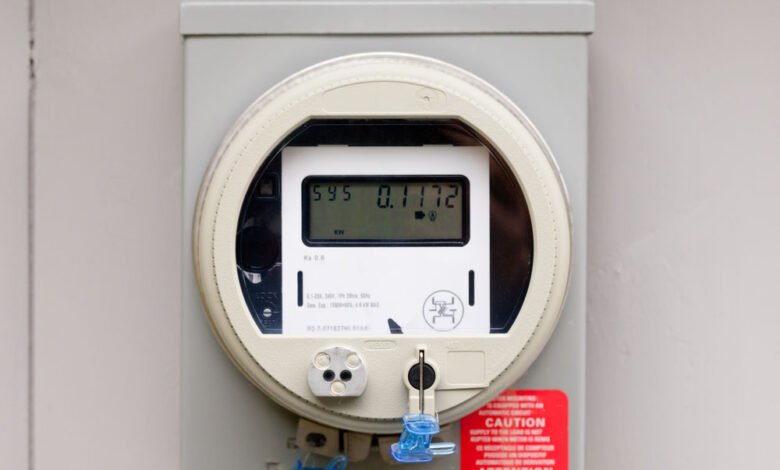
A time-of-use plan needs a meter that can record electricity use by time interval. Most newer installations use smart meters, which record detailed usage data and allow remote meter reads, but some older interval meters can also support time-based billing. Smart meters are now compulsory across the National Electricity Market, with all households to be upgraded by 30 November 2030, and you cannot opt out if your retailer contacts you to arrange an installation. There is no upfront charge when your retailer arranges the upgrade, and your retailer cannot move you onto a different tariff structure without your consent for two years after installation.
How to Check Your Exact Off-Peak Times
Start with your latest bill and your retailer’s Basic Plan Information Document, Energy Fact Sheet or current pricing schedule. Look for the tariff name, the peak, shoulder, off-peak or solar-soak periods, and the cents-per-kWh rate for each period. If the bill does not show the time windows clearly, ask your retailer to confirm the schedule for your postcode, network and meter.
To compare plans, use the Australian Government’s free comparison service, Energy Made Easy, which covers New South Wales, Queensland, South Australia, Tasmania and the ACT. Victorian households can use Victorian Energy Compare instead. Both services show the tariff type and rates for plans available at your address, so you can see whether a time-of-use plan would actually save you money.
How to Use Off-Peak Hours to Lower Your Bill
Start with the household loads you can schedule easily. Appliances and charging tasks that do not need to run at a fixed time give you the most flexibility:
- Run high-energy appliances during cheaper hours: dishwashers, washing machines, clothes dryers and pool pumps. Schedule them for your plan’s lowest-rate window where practical. On newer tariffs that window may fall around midday, so overnight running does not always give you the lowest cost.
- Schedule EV charging off-peak: set the vehicle or charger schedule to match the lowest-priced period on your plan, which may fall overnight, around midday or across more than one window. Compare the actual cents-per-kWh rates before choosing.
- Pre-heat or pre-cool before peak hours: use the cheaper period before peak pricing to bring rooms to a comfortable temperature. In summer, run the air conditioner earlier and set cooling around 25°C to 27°C. In winter, warm occupied rooms to around 18°C to 20°C before the evening peak, then lower the thermostat once the higher rate starts.
- Automate it: built-in appliance timers, smart plugs, EV charger schedules and home energy apps can automate load shifting around your peak and off-peak times. Review the schedule whenever your retailer changes your plan or tariff periods.
Frequently Asked Questions
What time is off-peak electricity in Australia?
Most commonly, off-peak electricity runs from around 10pm to 7am, with peak electricity from around 3pm to 9pm on weekdays. But the exact times vary by state, network, retailer and plan, and some newer tariffs offer cheaper midday periods instead. Check your own plan’s tariff schedule for the hours that apply to you.
Is off-peak electricity available on every electricity plan?
No. A single-rate plan charges the same usage rate throughout the day. Time-of-use off-peak pricing requires compatible interval metering and an eligible time-of-use plan. Controlled-load tariffs follow separate rules and may give a lower rate only for a dedicated appliance or circuit.
Do you need a smart meter for off-peak rates?
Not always. A time-of-use plan needs a meter that can record usage by time interval. Most newer installations use smart meters, but some older interval meters can also support time-based billing. Check your meter type and plan eligibility with your retailer before changing tariffs.
Which electricity providers offer off-peak rates?
Major retailers such as AGL, Origin Energy, EnergyAustralia and ActewAGL offer time-of-use plans with off-peak rates in eligible areas. Availability varies by postcode, meter and network. Use Energy Made Easy (outside Victoria) or Victorian Energy Compare to see which plans are available at your address.