
-

If you have solar panels on your roof, you have probably seen a line on your power bill about a feed-in tariff. It is the credit your electricity retailer pays you for the extra solar power your home sends back to the grid. The idea is simple, but the rate you get depends on where you live, who your retailer is, and what plan you are on. This guide explains what a solar feed-in tariff…
-
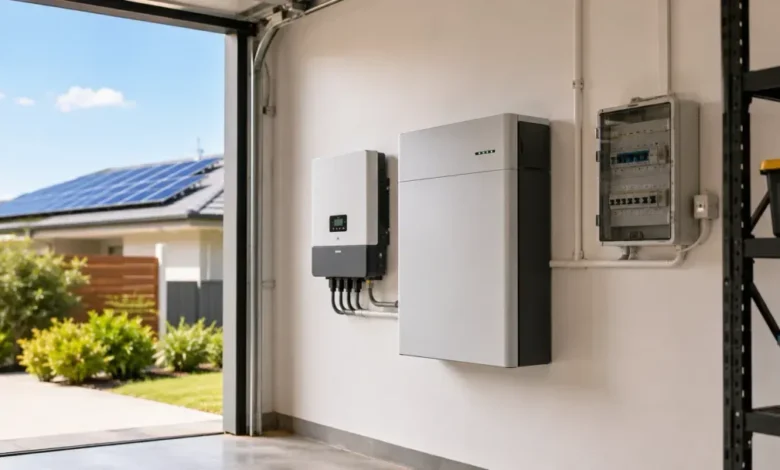
If you are thinking about solar for your home, you will run into this question fast: should you get solar panels, or should you get a solar battery? The honest answer is that the two are not really rivals. A battery cannot make power on its own — it can only store what your panels produce. So the real choice is between solar panels on their own, and solar panels with a battery added. Both…
-
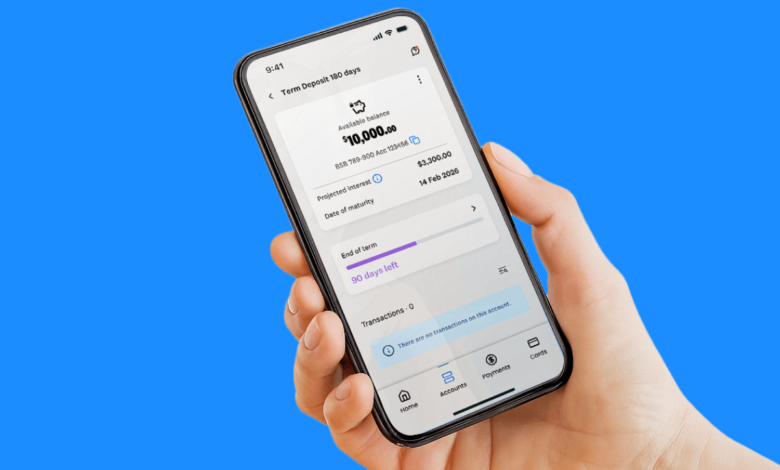
If your business has cash sitting idle in a transaction account, a business term deposit can put it to work. You lock the money away for a set period — anywhere from a month to five years — and in return you earn a fixed interest rate that does not change for the life of the term. As of November 2026, the best business term deposit rates reach up to 5.60% p.a. for a 12-month…
-

Your solar panels get all the attention, but your inverter does the real work. Every watt your panels make passes through it, so a poor inverter can hold back even the best panels. The good news is that the choice is simpler than it looks: a handful of brands dominate the market, and each one suits a different kind of home. Quick answer: For most homes, the Sungrow SH series is the best all-round pick…
-

No. Solar panels stop making electricity once the sun goes down, because they need sunlight to work. But that doesn’t mean your home goes dark. After sunset, your house simply runs on power from a home battery if you have one, or from the grid like any other home. If you already have solar panels, or you’re thinking about getting them, the real question is what happens to your power at night — and whether…