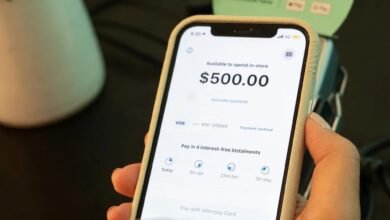


Yes — buy now pay later can affect your credit score, and since 10 June 2025 the effect is bigger than it used to be. BNPL services like Afterpay, Zip, Klarna and Humm are now regulated as credit in Australia, which means applying for an account can leave a credit enquiry on your file, and missed or late payments can be reported to credit bureaus and drag your score down. On the other hand, paying every instalment on time can help show lenders you manage credit responsibly. If you want the official word, Moneysmart’s guide to buy now pay later puts it plainly: BNPL can affect your credit rating.
The short answer, then, is not a simple yes or no. A single BNPL account, paid on time, is unlikely to ruin your credit. But several accounts, lots of applications in a short time, or a run of missed payments can do real damage — and lenders now look at your BNPL limits and spending when you apply for a home loan or car loan, not just your score.
Why the answer changed in June 2025
For years, buy now pay later sat outside normal credit law. Providers did not need a credit licence, so most of what you did with Afterpay or Zip never reached your credit report. That changed on 10 June 2025, when BNPL products became a regulated form of credit called low cost credit contracts under the National Consumer Credit Protection Act.
Since then, BNPL providers must hold an Australian credit licence, check that a new account is affordable for you, and offer hardship help if you run into trouble. They are also members of the Australian Financial Complaints Authority, so you can take a dispute there for free if the provider will not fix it. The trade-off is that your BNPL behaviour is now visible to the credit system in a way it was not before. If you are new to how it all works, our guide to what buy now pay later is explains the basics first.
4 ways buy now pay later can affect your credit score
1. Applying triggers a credit check
When you sign up for a BNPL account or ask for a higher limit, the provider usually checks your credit report to see how you have handled credit in the past. That check is recorded on your file as a credit enquiry. One enquiry on its own rarely moves your score much. But several enquiries in a short period — signing up for Afterpay, Zip and Klarna in the same month, for example — can lower your score and look like a red flag to lenders, because it can suggest you are short of cash or taking on more credit than you can handle.
2. Missed or late payments can be reported
This is the one that catches most people out. If you miss an instalment, the provider may charge a late fee and can report the missed payment to credit reporting bodies such as Equifax, Experian and illion. A pattern of late payments can reduce your credit score, and the worse the pattern, the bigger the effect. A single payment a day or two late is less serious than several missed payments, but it is still not something to be casual about.
3. Defaults stay on your file for years
If an account falls far behind and the debt is passed on or written off as a default, that default can stay on your credit report for five years. A default is one of the most damaging entries a file can carry, and it can make it much harder — or more expensive — to get a loan, a credit card, or even some rental or phone contracts while it is there. This is why a small BNPL balance that is ignored can end up costing far more than the original purchase.
4. Too many accounts at once
Even if you never miss a payment, having several BNPL accounts open at the same time can work against you. Lenders look at the total credit available to you, not just what you owe right now. Three accounts with limits of $1,000, $1,500 and $2,000 look like $4,500 of potential debt, even if your current balances are zero. Moneysmart warns about exactly this: multiple services are hard to manage, and it is easy to lose track of what is due when.
Can buy now pay later improve your credit score?
It can, but not as reliably as a credit card or personal loan. If your provider reports repayment history and you pay every instalment on time, that positive history can help demonstrate responsible behaviour and support your score over time. The catch is that not every provider reports positive repayment history yet, so on-time BNPL payments may not show up on your file at all. Do not open a BNPL account just to build credit — there are better, more predictable ways to do that, and a missed BNPL payment will hurt you far more than on-time payments will help.
It is also worth knowing what does not hurt your score: checking your own credit report. You can get a free copy of your report from each of Equifax, Experian and illion once every three months, and checking it yourself never lowers your score. Our guide to how to check your credit score for free walks through the process step by step.
What lenders see beyond your score
Your credit score is only part of what a lender looks at, and BNPL shows up in the other parts too. When you apply for a home loan, a lender will usually ask for recent bank statements, and regular BNPL debits are visible there. Frequent BNPL use can raise questions about spending habits, even if every payment was on time. Lenders also count your BNPL credit limits when working out how much you can afford to borrow, so open limits can reduce the size of the loan you are offered.
This is one reason the choice between providers matters less than the overall picture. Our comparison of Afterpay vs Zip Pay covers fees and features, but from a credit point of view the rules are now broadly the same for both: regulated credit, credit checks on sign-up, and reporting of missed payments.
How to use buy now pay later without hurting your score
- Stick to one service at a time. One account is far easier to track than three, and it keeps your total credit limit — and your enquiries — down.
- Only split purchases you could afford anyway. If you could not pay for it outright in a few weeks, BNPL is not making it affordable, it is just delaying the problem.
- Set payment reminders. Most missed BNPL payments happen because a direct debit failed or a pay day shifted, not because someone chose not to pay. A reminder a day before each instalment is due catches most of these.
- Keep money in the linked account. Make sure the account your instalments come from has enough in it on due dates, so you avoid both late fees and bank overdrawn fees.
- Do not open new accounts before a loan application. If you are planning to apply for a home loan or car loan in the next few months, avoid new BNPL sign-ups and keep existing accounts tidy.
- Link to a debit card, not a credit card. Paying BNPL instalments from a credit card just moves the debt somewhere it attracts interest.
What to do if buy now pay later has already hurt your score
First, get a free copy of your credit report and check what is actually listed. Mistakes happen, and you can ask the credit reporting body to correct information that is wrong. Second, bring every BNPL account up to date and keep it that way — recent good behaviour counts, and the effect of old missed payments fades over time. Third, if you are struggling to keep up, contact the provider’s hardship team early and ask about pausing or spreading payments; providers are now required to have hardship processes.
If debt is weighing on you, free and confidential help is available. The National Debt Helpline on 1800 007 007 (Monday to Friday, 9:30am to 4:30pm) connects you with a financial counsellor at no cost. Financial counsellors do not charge fees and do not sell products — they help you work out a plan you can actually stick to.
Common questions about buy now pay later and credit scores
Does Afterpay affect your credit score more than Zip?
No, not in any meaningful way. Both are now regulated under the same credit laws, both run credit checks, and both can report missed payments. Fees and limits differ between providers, but the credit-reporting rules do not.
Does closing a buy now pay later account help your score?
Closing an account you no longer use can help a future loan application, because it removes that credit limit from your total available credit. It will not erase past missed payments or enquiries, which stay on your file for their usual period.
How long does a missed BNPL payment stay on your credit report?
Repayment history information generally stays on your file for two years, while a default can remain for five years. Credit enquiries also stay for five years. That is why a short run of missed payments can affect borrowing for a long time after the balance itself is paid off.
Will paying BNPL on time raise my score quickly?
Probably not quickly, and possibly not at all, since not all providers report positive repayment history yet. Treat on-time BNPL payments as a way to avoid damage, not as a shortcut to a better score.
The bottom line
Yes, buy now pay later can affect your credit score — for better and for worse. Since June 2025 it is regulated credit: sign-up checks leave enquiries, missed payments can be reported and lower your score, and open limits count against your borrowing power. Used sparingly, with one account and every payment on time, BNPL is unlikely to do serious damage. Used across several accounts, or with payments missed, it can follow you into your next loan application. This article is general information only, not personal financial advice.