How to Keep Your Phone Number When Switching Mobile Providers: A Simple Step-by-Step Guide

Changing mobile providers does not mean changing your phone number. In Australia, you can take your number with you to a new provider, and the process is called porting. Your new provider handles the transfer for you, and in most cases it is done within a few hours. The rules are set out by the Australian Communications and Media Authority (ACMA). This guide walks you through each step, and the one mistake to avoid is cancelling your old service before the number has moved.
Can you keep your phone number when you switch providers?
Yes. Your phone number is yours to take with you. When you ask to move it, your old provider must transfer it to your new one. They cannot refuse or delay the move, even if you still owe them money. You will still have to pay what you owe, and your new provider will run its usual credit checks, but the debt does not stop the port.
To start a port, you need to be the person the number is registered to. If the number is in someone else’s name, such as a parent or partner, you will need to sort out a transfer of ownership first.
What you need before you start
Have these ready before you sign up with a new provider, because a wrong detail is the most common reason a port gets stuck:
- Your mobile number, and the name it is registered under
- Your account number or service details from a recent bill, exactly as your current provider has them
- Photo ID, such as a driver’s licence or passport
- Your phone with the old SIM in it, switched on and able to receive texts
- Your new provider’s plan picked out, so you can order a SIM card or eSIM
How to keep your number when switching providers
- Do not cancel your old service. Only an active number can be ported. If you cancel first, you can lose the number. Your new provider cancels your old service for you once the port is complete.
- Check your contract and handset repayments. If you are still in a contract or paying off a phone, you may owe an early termination fee or the rest of the handset balance. SIM-only and prepaid plans usually have no contract, so there is often nothing to pay.
- Check your phone is unlocked. Phones bought outright or on postpaid plans are usually unlocked. Some phones bought with prepaid plans are locked to that network. Ask your provider if you are unsure. Unlocking is often free, but some prepaid phones carry a fee.
- Pick a new plan and order a SIM or eSIM. You can order online, over the phone, or buy one in store.
- Choose “keep my existing number” at sign-up. You will be asked if you want to transfer your number or get a new one. Choose the transfer option, then enter your number and your current provider. Make sure every detail matches your old account exactly, because one wrong digit can stall the whole thing.
- Verify your identity. Your new provider will send a one-time code by text to your current SIM. Enter the code back, usually within about 30 minutes. If you sign up in store, they will call your number instead. If your phone is lost, stolen or broken, they can check your ID documents another way.
- Activate your new SIM or eSIM. This starts the port. Keep using your old SIM as normal until the transfer happens. At some point your old service will suddenly drop. That is the sign the number has moved.
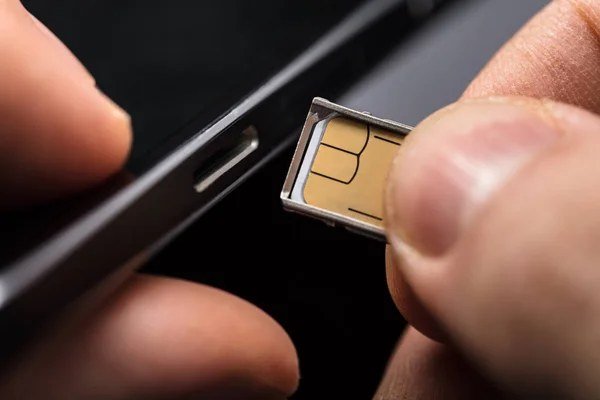
- Swap the SIM and restart your phone. Take out the old SIM, put the new one in, and restart your phone. If you have an eSIM, follow the activation steps in your provider’s app or email.
How long does it take?
Most mobile ports finish within a few hours. The industry code requires telcos to complete 90% of ports within 3 hours and 99% within 2 business days. Ports usually only run during business hours, typically 8am to 8pm on weekdays and 10am to 6pm on Saturdays, so a request made on a Sunday may not start until Monday. Your old service keeps working until the switch happens, so you are rarely left without a phone.
What happens to your old service?
Once your number has moved, your old service is cancelled automatically. You do not need to call your old provider. If you were on a postpaid plan, expect a final bill for the days up to the transfer. Check it for any remaining handset repayments or fees, and make sure any direct debit to the old provider is stopped so you are not charged again.
Will you lose your contacts or photos?
No. Your contacts, photos, emails and apps live on your phone or in your cloud account, such as Google or Apple, not on the SIM card. Swapping SIMs does not delete them. The only exception is a very old SIM that still holds contacts. If that is yours, copy the contacts to your phone before you swap.
Problems and how to fix them
The port is stuck or taking too long. The most common cause is a detail that does not match your old account, such as a misspelt name or a wrong account number. Check the details and contact your new provider. If it has been more than 2 business days, chase them up.
The number is not in your name. You will need a transfer of ownership first. This usually means a form plus ID from both the current account holder and you.
You already cancelled your old service. Contact your old provider straight away. Cancelled numbers are held for a while before they are given to someone else, so there is a chance of getting it back, but it is not guaranteed.
Your phone is locked. If the new SIM shows no service after the port, your phone may be locked to your old network. Ask your old provider to unlock it.
You never got the verification code. Make sure the old SIM is in the phone, the phone is on, and you have reception. Ask your new provider to send the code again.
Does it cost anything to keep your number?
Porting is usually free. Most providers do not charge to move your number in or out, but a small number do charge a fee to port a number away. Check your current provider’s terms before you switch so there are no surprises.
Frequently asked questions
Can I keep my number if I owe my old provider money?
Yes. Your old provider cannot refuse or delay the port because you owe them money. You still owe the debt, and they can chase it through normal billing, but it does not stop you moving your number.
Can I port a prepaid number?
Yes. Prepaid numbers port the same way as postpaid ones. Just make sure the service is still active and you can receive texts on it.
Can I keep my number if I move to a different network?
Yes. Porting works between all networks in Australia, including Telstra, Optus and Vodafone, and all the smaller providers that run on their networks.
What if I want a new number instead?
Choose the “new number” option when you sign up. You will then need to cancel your old service yourself, by calling your old provider, using online chat, or visiting a store.
The short version
Do not cancel your old service. Pick a new plan, choose “keep my existing number” at sign-up, enter the verification code, activate the new SIM, and wait for the switch. In most cases your number moves within a few hours, and your old service cancels itself. If anything goes wrong, your new provider is the one to call.