

Prepaid or postpaid? If you already own your phone, the honest answer is that prepaid is usually the better deal — but not always. The gap between the two has narrowed so much in 2026 that the real difference is no longer the price on the poster. It is how you are billed, whether you want a phone bundled in, and how much control you want over what you spend.
Quick verdict: If you own your phone outright and want to keep your bill capped, prepaid wins for most people. If you want a new handset spread across monthly payments, or you never want to think about recharging, postpaid is the easier choice. Either way, compare SIM-only plans on the same network before you decide — the network matters more than the label.
Prepaid vs postpaid at a glance
| Prepaid | Postpaid | |
|---|---|---|
| How you pay | Pay first, then use it | Use it first, then get a bill |
| Billing cycle | Usually 28 days (13 recharges a year) | Monthly, on a set date |
| Credit check | No | Yes, in most cases |
| Bundled phone | No — bring your own phone | Yes, over 24 or 36 months |
| When data runs out | Service pauses until you recharge | Service keeps going — extra fees or a slower speed cap |
| Bill shock | Not possible — you cannot spend more than you paid | Possible, though most plans now cap speeds instead of charging extra |
| Leaving | Just stop recharging | Cancel the plan; pay out any phone still owed |
| Typical monthly cost | Around $30 a month on average | Around $47 a month on average |
Average bills are from Canstar, June 2026. Prices below were checked on 8 November 2026 and change often — always check the provider’s own site before signing up.
What is a prepaid mobile plan?
A prepaid plan is simple: you buy a recharge, and that buys you a set amount of data, calls and texts for a set period. When it runs out, you recharge again. No bill ever arrives. If you do nothing, the service just lapses.
Most prepaid plans run on a 28-day expiry cycle, and any unused data is usually wiped clean at the end of the cycle. Some plans offer data banking, which lets you save unused data for later, and some offer long-expiry recharges of 90, 180 or even 365 days — handy if you barely use your phone.
Prepaid used to mean worse value and second-class treatment. That is mostly gone. Prepaid plans now come with generous data, unlimited standard calls and texts, 5G access and even international calling on the bigger recharges, and they run on the exact same networks as postpaid. Boost runs on Telstra’s network, Belong runs on Telstra’s network too, and plenty of smaller prepaid brands ride on Optus or Vodafone infrastructure.
What is a postpaid mobile plan?
A postpaid plan is a contract where you use the service first and pay at the end of the billing cycle, usually monthly. Because the telco is effectively lending you a month of service before you pay, there is usually a credit check at sign-up.
Postpaid plans can be SIM-only, where you only pay for the service, or they can include a mobile phone that you pay off over 24 or 36 months. If you use up all your data, the service keeps going — either for an extra fee or with your speed capped. Telstra caps its Upfront plans at 1.5Mbps once full-speed data runs out, Optus does the same, Vodafone caps at 2Mbps and Belong at 1Mbps.
One change worth knowing: Telstra’s Upfront plans now charge you on the first day of your billing cycle rather than sending a bill afterwards, so the old “use now, pay later” idea is not quite as clean as it used to be.
How much do they actually cost?
For a like-for-like comparison, leave the phone out of it and compare a prepaid recharge with a SIM-only postpaid plan on the same network. Here is what that looks like right now.
Prepaid examples
- SpinTel: 25GB for $23 a month ($12 a month for the first 6 months), on the Optus 5G network.
- Moose Mobile: 30GB for $23 a month ($14 a month for the first 6 months), on the Vodafone 4G network.
- Dodo: 40GB for $30 a month ($15 a month for the first 6 months), on the Optus 5G network.
- felix: unlimited data at speeds up to 40Mbps for $40 a month ($20 a month for the first 6 months with promo code UNL40, ends 30 November 2026), on the Vodafone network.
- ALDI Mobile: 12GB for $28 per 30 days, using parts of Telstra’s 5G and 4G networks.
Postpaid SIM-only examples
- Optus: Choice Plus plan, $60 a month for 60GB (100GB a month for the first 12 months).
- Vodafone: Small SIM Only plan, $58 a month for 65GB ($45 a month for the first 12 months).
- Telstra: Basic Upfront SIM plan, $74 a month for 50GB.
The pattern is clear. The big three’s entry-level postpaid SIM-only plans start at $58 to $74 a month, while prepaid plans from smaller providers give you 25GB to 40GB for $23 to $30 a month. Even Canstar’s averages tell the same story: the average prepaid bill is around $30 a month, against around $47 for postpaid.
Where prepaid pulls clearly ahead is the long-term SIM: pay for six or twelve months up front and the per-month cost drops well below any monthly plan. Postpaid only wins the cost argument when a phone is bundled in — and that is not really a plan cost at all, it is a phone loan folded into the bill.
If you are not sure how much data you actually need, our guide to how much mobile data you need breaks it down by what you do on your phone. The average Australian on postpaid uses about 18GB a month, and the average prepaid user about 9.7GB, according to the ACCC — so most people are paying for far more data than they use.
The 28-day trap most people miss
Here is the one catch with prepaid that catches people out: most prepaid plans run on a 28-day cycle, not a calendar month. That means 13 recharges a year, not 12. A “$25 plan” that sounds cheaper than a “$28 monthly plan” actually costs $325 a year against $336 — still cheaper, but not by as much as the headline suggests. Always multiply a 28-day price by 13 before comparing it with a monthly price.
The other fine print to check is what happens to unused data. Some plans bank it, some wipe it. Read the plan’s actual terms, not just the headline data figure, before assuming a big number is a big number.
Who should pick prepaid?
Budget watchers. Prepaid caps what you can spend by design. There is no bill to be surprised by, because the service simply stops when the allowance runs out.
Parents setting up a kid’s first phone. A teenager physically cannot run up a bill you did not approve on prepaid, and there is no 24-month contract sitting on a device that will get dropped, stolen or outgrown within a year.
Students and anyone whose life changes every six to twelve months. No credit check, no exit fees, no need to ring up and cancel when you move overseas for a semester. You simply stop topping up.
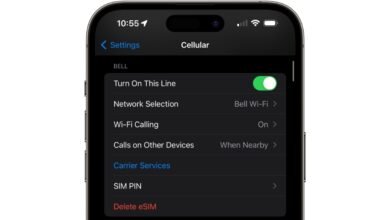
Frequent travellers. A local prepaid SIM or an eSIM bought before you land in your destination country will almost always beat a telco’s roaming pack on both price and data. If your phone supports it, you can run your Australian number on one profile and a cheap travel eSIM on the other — our guide to eSIMs explains how that works.
Light and moderate users. If you use a predictable, modest amount of calls and data, prepaid almost always costs less. You pay only for what you need and skip the extras a plan charges for whether you use them or not.
Who should pick postpaid?
Anyone who wants a new phone bundled in. Spreading a handset cost across 24 or 36 months on one bill is convenient, and it is the one thing prepaid essentially cannot do. Just treat it as a phone loan bundled with a service, and know when it is paid off.
Families who want one bill. Some postpaid plans let you add lines and share data across them, or bundle discounts when you have several services with one telco. That said, plenty of families do perfectly well handing each person a cheap prepaid SIM and skipping the bundle altogether.
Heavy or unpredictable users. If your usage is large or spikes without warning, a plan’s bigger allowance can be the safer home, because topping up prepaid constantly gets fiddly and sometimes dearer.
The set-and-forget type. Direct debit, never think about recharging, never risk your service lapsing because you forgot. Some postpaid plans also throw in perks, subscriptions and data sharing that prepaid does not always match.
The phone trap: check when your handset is paid off
This is the one that quietly costs people the most. If you bought your phone on a plan and paid it off over a couple of years, the monthly price included two things: the service, and a repayment for the handset. When the handset is fully paid, that repayment portion should fall away and your bill should drop. If it does not, you are paying for a phone you already own.
Once the phone is paid off, check whether a cheaper SIM-only plan — prepaid or postpaid — would do the same job for less. Our roundup of the best cheap mobile plans is a good place to start that comparison.
Switching between prepaid and postpaid
The good news is that you are not married to the decision. Moving from prepaid to postpaid, or back the other way, is straightforward, and you keep your number through it. Under the industry’s number portability rules, most ports complete within a few hours. Pick prepaid and later want a bundled phone? Switch. Start postpaid and find you crave the spending cap? Switch back. Our guide to keeping your number when switching providers walks through the steps.
Consumer protections around unexpected charges and misleading plan advertising apply to prepaid and postpaid alike. The ACCC has plain-English guidance on choosing a mobile plan and your rights as a consumer if a bill or a plan change does not match what you were told at sign-up.
Frequently asked questions
Is prepaid cheaper than postpaid?
For comparable data, usually yes — especially on long-term SIMs. The average prepaid bill is around $30 a month against around $47 for postpaid. Postpaid only works out better when a bundled phone is involved.
Does prepaid affect my credit score?
No. Prepaid needs no credit check because you pay in advance. Postpaid plans usually involve a credit check, since the telco is effectively extending you credit.
Can I get a phone on a prepaid plan?
Generally no, not bundled into the plan. Prepaid is SIM-only, so you bring or buy your own phone. Bundled handsets are a postpaid thing.
Can I switch from prepaid to postpaid, or the other way?
Yes, and you keep your number. Moving between them is straightforward, so there is no need to overthink the choice — try one, and switch if it does not suit you.
Does unused data roll over on prepaid?
It depends on the plan. Some prepaid plans bank unused data, while others wipe it at the end of the 28-day cycle. Check the plan’s terms before you sign up.
This article is general information only, not financial advice. Plan prices and inclusions change often — the figures above were checked on 8 November 2026. Always confirm the current price and terms on the provider’s own website before signing up.