

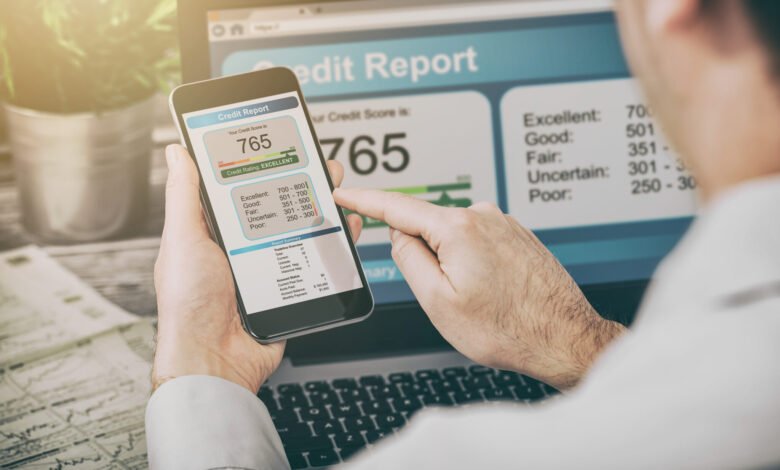
No, you do not need a credit card to build a credit score. A credit card is one way to build a credit history, but it is far from the only way. Any consumer credit in your name that you repay on time — such as a personal loan, a car loan, or a home loan — can build your history too. What matters most is not the type of card or loan you hold, but a steady record of borrowing and repaying on time. If you would rather not have a credit card at all, you can still build a solid score without one.
Before we get into the detail, one official starting point is worth knowing: Moneysmart explains how credit scores and credit reports work, including your right to a free copy of your credit report every three months.
What actually builds a credit score?
Your credit score is a number worked out from the information in your credit report. Lenders use it, along with your income and other details, to judge how risky it is to lend to you. It is not a single national score: each credit reporting body uses its own model, so your score can differ from one body to another, and scores are commonly shown out of 1200.
The main things that shape your score are:
- Your repayment history on credit accounts in your name
- The credit accounts you have held, and the limits on them
- How long you have had credit
- Recent credit applications
- Negative events such as defaults, court judgments, or bankruptcy
If you have never had any credit, you will not start with a score of zero. You will simply have a thin file, and it usually takes at least a few months of a credit account being reported before a score can be worked out. That is normal, and it is fixable without rushing into a credit card.
5 ways to build a credit score without a credit card
1. Repay a loan on time, every time
This is the most direct replacement for a credit card. A personal loan, car loan, or home loan in your name creates a repayment history, and on-time repayments are the strongest signal you can send. Set up automatic payments so a due date never slips past you. Under credit reporting rules, a repayment more than 14 days overdue can be recorded as a missed payment, so even a short delay can leave a mark.
Do not take out a loan just to build a score, though. Borrow only if you genuinely need the money and can comfortably afford the repayments. A loan you struggle to repay will hurt your score far more than having no loan at all.
2. Use a phone plan or utility account in your name — with one important catch
Many guides say paying your phone or power bill on time builds your score. That is only half true, and it is where a lot of advice goes wrong. Phone and utility bills are not usually reported as positive repayment history in the same way a loan is. Paying them on time is good money management, but on its own it may not raise your score at all.
What these bills can do is damage your score if they go badly wrong. An unpaid bill that is passed on as a debt of $150 or more and left overdue for at least 60 days can be recorded as a default. So keep these accounts in your name, pay them on time, and treat them as protection for your score rather than a way to grow it.
3. Be careful with Buy Now, Pay Later
Buy Now, Pay Later services are now part of the consumer credit system, and some providers report account and repayment information to credit reporting bodies. That means regular, on-time BNPL payments may show up on your file, but missed payments and heavy use can also count against you, and some lenders look at frequent BNPL use warily when you later apply for a loan. If you use BNPL, keep it to one service, keep the amounts small, and never use it to cover other debts.
4. Keep credit applications to a minimum
Every time you apply for credit, the application is usually recorded on your report as an enquiry. One application here and there is normal. Several applications in a short period can make you look desperate for credit and can drag your score down for a while. Apply only when you actually need the product, and do not apply for several cards or loans at once just to see what you can get.
5. Check your credit report and fix mistakes
You can get a free copy of your credit report every three months from each credit reporting body — Equifax, Experian, and illion — and you should check them all, because they can hold different information. Checking your own report or score does not hurt your score. It is a soft check, not a credit application.
Look for accounts you do not recognise, wrong personal details, or repayments marked late that you know you paid on time. If something is wrong, ask the reporting body or the credit provider to correct it. A mistake on your file can hold your score down through no fault of yours, so this step alone is worth doing before you apply for anything important.
What does not build your credit score?
It helps to be clear about the things that feel like they should count but do not:
- Debit cards and prepaid cards: These use your own money, not credit, so they are not reported and do not build a score.
- Savings: A healthy savings balance shows good habits, but savings are not credit and do not appear on your credit report.
- Paying rent on time: Rent is not usually reported as positive repayment history, although unpaid rent that becomes a debt can still cause trouble.
- Having a high income: Income is not part of your credit score, even though lenders consider it separately when you apply.
Should you get a credit card just for your score?
For most people, no. A low-limit card used for small purchases and paid off in full each month can build a history, and for some people it is the simplest path. But if you do not want a card, do not feel forced into one. The combination above — a loan repaid on time if you need one, bills kept up to date, few applications, and a clean, checked report — builds the same kind of history over time.
If you do decide to get a card later, choose a low limit and a low or no annual fee, use it only for spending you would have done anyway, and pay the full balance each month. Interest charges and a growing balance undo the benefit very quickly.
How long does it take?
There is no overnight fix. Expect it to take months of steady repayments before a thin file turns into a meaningful score, and longer to move it from fair to good or very good. That is frustrating when you are starting out, but it is also why consistency matters more than any single trick. Pay on time, borrow only what you need, and check your report regularly — that is the whole strategy, and it works without a credit card in your wallet.
Frequently asked questions
Can I build a credit score with no credit at all?
Not really. A score needs some credit history to be worked out from. You need at least one credit account, such as a loan, reported in your name before a score can be calculated.
Does checking my own credit score lower it?
No. Checking your own report or score does not affect it. Only applications for credit create the kind of enquiry that can lower your score.
Will paying my phone bill on time raise my score?
Usually not directly, because phone bills are not typically reported as positive repayment history. But missing them can lead to a default, so paying on time still protects your score.
Is a debit card enough to build credit?
No. Debit cards do not involve borrowing, so they are not reported to credit reporting bodies and do not build a credit history.
This article is general information only and is not financial advice. If you are unsure what suits your situation, consider speaking with a licensed financial adviser or a free financial counsellor.