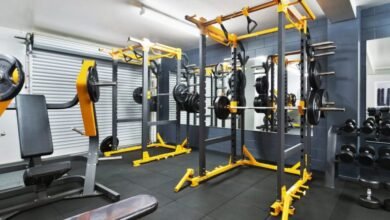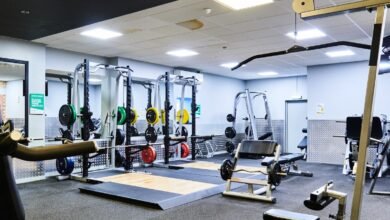


If you want to get fitter, you have two simple choices: pay for a gym membership or train at home. Both can work well, and both can fail badly. The difference is rarely the equipment. It is usually cost, time, space and whether you will actually keep going.
This guide compares a gym membership with a home workout side by side, using prices checked in October 2026, so you can pick the option that fits your budget and your life — not someone else’s routine.
Quick verdict: gym membership vs home workout
Choose a gym membership if you want lots of equipment, classes, coaching and a routine that gets you out of the house. Choose a home workout if you want to save money, train at any hour and skip the commute. If you are short on money or short on time, home training usually wins. If you need structure, company or heavy weights, a gym is hard to beat.
There is also a middle path that works for many people: a cheap gym membership for heavy lifting days, plus short home workouts on busy days. You do not have to pick one forever.
Gym membership vs home workout at a glance
| Gym membership | Home workout | |
|---|---|---|
| Typical cost | About $10 to $40 a week for most memberships; budget gyms from under $10 a week, premium clubs $40 to $80 a week | About $164 to $212 for a starter kit; about $390 to $610 for a fuller set-up, paid once |
| Cost over a year | Roughly $520 to $2,080 a year at $10 to $40 a week, plus joining fees at some gyms | Mostly a one-off cost, with small top-ups for bands or extra weights |
| Equipment | Full range: machines, racks, free weights, cardio machines, pools and studios at larger clubs | Limited by space and budget: mat, bands, dumbbells and bodyweight to start with |
| Classes and coaching | Group classes often included; trainers on the floor and personal training available for extra cost | Free videos and apps, plus paid online programs; no one on hand to check your form |
| Flexibility | Bound by opening hours and travel time, though many gyms offer 24-hour access | Train any time, in any weather, with no travel at all |
| Motivation | The atmosphere, classes and other members can push you to show up | Depends on your own routine; easy to put off when the couch is right there |
| Contract | Often a minimum term or notice period — read the terms before you sign | No contract at all; you own the gear |
Figures above are general guides as at October 2026. A 2026 analysis of advertised prices from three national chains put the average entry-level gym membership at $24.32 a week, or about $1,264 a year — up from $19.31 a week in 2021. Your local club may charge more or less, so always check the price for your own area before deciding.
The gym membership: what you get
A gym gives you variety. On one visit you can use a squat rack, a rowing machine, a cable machine and a class, without buying or storing any of it. For people who want to lift heavy, train for a sport or try different classes, that variety matters. Heavy barbells, leg presses and large cardio machines are simply hard to fit in a flat.
Gyms also give you structure. A set class time, a training partner or a regular slot after work can turn exercise into a habit. Many people find they train harder around others, and a trainer can correct form in a way a video cannot.
The downsides are cost and commitment. A membership you rarely use is one of the most expensive ways to exercise: at $24 a week, going once a week works out to $24 a session, and going once a month works out to about $104 a session. Add travel time, parking and a joining fee, and the real cost climbs further. Contracts can also be a trap — check how to cancel before you join, not after. Our guide to cancelling a gym membership walks through the usual notice periods and fees.
The home workout: what you get
A home workout gives you freedom. You can train at 6am or 10pm, in a spare corner, with no commute and no waiting for equipment. A basic set-up goes a long way: a mat, a set of resistance bands and a pair of dumbbells cover squats, lunges, rows, presses, core work and stretching. A 2026 home gym guide put a genuine starter kit at about $164 to $212, and a fuller dumbbell-and-bands set-up at about $390 to $610.
Over time, home training is usually much cheaper. A $400 set-up used three times a week costs about $2.56 a session in its first year — and close to nothing in later years, because you already own the gear. There is no membership to pause when money is tight and no contract to escape.
The downsides are limits and loneliness. You will run out of heavy weights sooner, you cannot use a pool or a full rack, and no one is watching your form. Motivation is the biggest risk: when training happens in the same room as your television, skipping a session is very easy. A set time, a simple written plan and a training partner on a video call can help, but they take discipline to set up.
Which is better for you?
If money is tight: start at home. A mat and bands cost less than two months of most memberships, and you can add dumbbells later only if you stick with it.
If you are new to exercise: either works, but a gym with an induction and beginner classes gives you guidance early on. If the gym feels intimidating, start at home for a few months and join later with more confidence.
If you want to build serious strength: a gym wins. Heavy barbells, racks and plates are cheaper to rent by the week than to buy and store at home.
If your schedule is unpredictable: home training wins. Shift workers, parents and anyone with a long commute save hours every week by skipping the trip.
If you love classes and company: a gym wins. Group classes, a training partner and the buzz of a busy gym are hard to copy in a living room.
If space is small: home training still works, but keep it simple — bands, a mat and one pair of dumbbells fit in a corner. A rack and bench do not.
How to decide without wasting money
Start with a simple test. First, be honest about how often you will train. Twice a week at $24 a week is $12 a session; once a fortnight is $48 a session. If that number shocks you, home training or a cheaper gym is the smarter start — our list of the cheapest gym memberships includes options from under $10 a week.
Second, try before you buy. Many gyms offer a free pass or a short trial, and a week of home workouts with just bodyweight costs nothing and tells you whether you will actually do it. Third, read the contract: check the minimum term, the notice period and whether you can pause the membership. A cheap weekly price means little if you cannot leave.
Frequently asked questions
Can you build muscle with home workouts?
Yes, for most people. Bodyweight exercises, bands and dumbbells can build real strength, especially in the first year or two of training. Progress slows when the weights stop challenging you, which is when a gym — or heavier dumbbells — becomes worth it.
Do I need equipment to work out at home?
No. Push-ups, squats, lunges, planks and walking or running cost nothing and cover the basics. Equipment adds variety and makes it easier to keep progressing, but it is not a requirement to start.
Can I do both a gym membership and home workouts?
Yes, and many people do. Use the gym for heavy sessions or classes, and home workouts for short sessions on busy days. Just make sure the membership is one you use enough to justify, or the home routine alone may be the better deal.
This article is general information only, not medical or fitness advice for your situation. If you have a health condition, an injury or you are returning to exercise after a long break, talk to a qualified health professional before starting a new routine.