
-

Most “cheap mobile plan” lists show you the intro price. You sign up for $12 a month, then six months later the bill jumps to $23 or $30 and nobody warned you. This list is different. Every plan below is ranked by what you actually pay once the deal ends — the ongoing price — with the intro offer shown separately so you can see the full picture. All prices and data allowances were checked…
-

Picking a mobile plan mostly comes down to one question: how much data do you actually need? Get it wrong in one direction and you run out mid-month. Get it wrong the other way and you pay every month for gigabytes you never touch. Quick answer: most people need 10 to 20GB of mobile data a month. The Australian Competition and Consumer Commission (ACCC) found the average postpaid mobile user gets through about 18GB a…
-
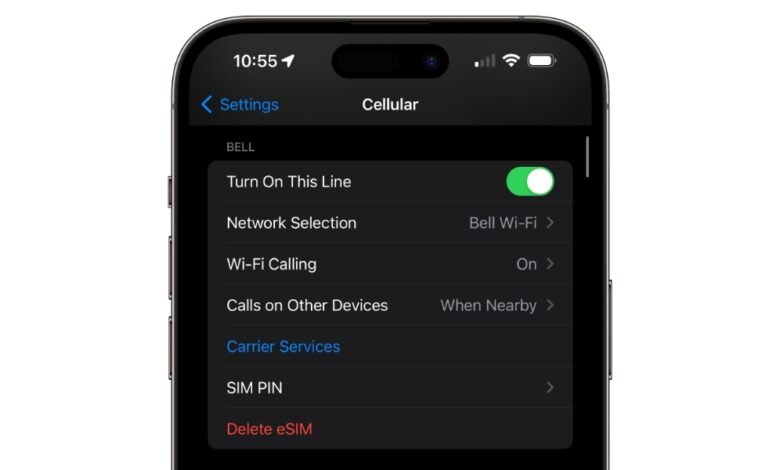
An eSIM is a digital SIM built into your phone. It does exactly the same job as the little plastic SIM card you are used to — it connects your phone to your mobile network for calls, texts and data — except there is no card to insert, lose or swap. Instead, your carrier sends your plan to the phone as a download, usually through a QR code or their app. Quick answer: If your…
-

If you have never had a credit card, a loan, or a phone plan in your name, you probably have little or no credit history. That does not mean you have a bad credit score — it means lenders have almost nothing to judge you on. The good news is that building a credit score from scratch is straightforward: you need a few accounts in your name, and a steady record of paying them on…
-
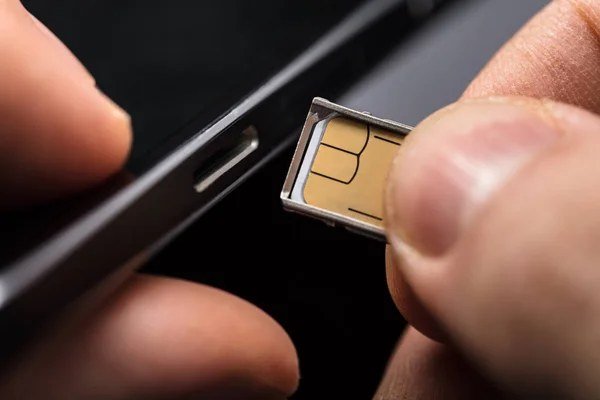
Changing mobile providers does not mean changing your phone number. In Australia, you can take your number with you to a new provider, and the process is called porting. Your new provider handles the transfer for you, and in most cases it is done within a few hours. The rules are set out by the Australian Communications and Media Authority (ACMA). This guide walks you through each step, and the one mistake to avoid is…