
Quick answer: Red Energy is an Australian electricity and gas retailer owned by Snowy Hydro. It sells energy in New South Wales, Victoria, South East Queensland, South Australia and the ACT, with more than one million customers. Its market plans include Living Energy Saver, Qantas Red Saver, Red BCNA Saver, Red Rotary Saver and a Standing Offer. You can compare its current plans on the official site redenergy.com.au before signing up.
Red Energy plans keep popping up in Australian energy comparisons, and for good reason. It is one of the few retailers with a large generation parent company behind it, an active Qantas partnership, and some of the highest customer satisfaction ratings in the country. This guide breaks down what its plans actually offer, what to check before you switch, and how to manage your account once you’re in.
Who is Red Energy?
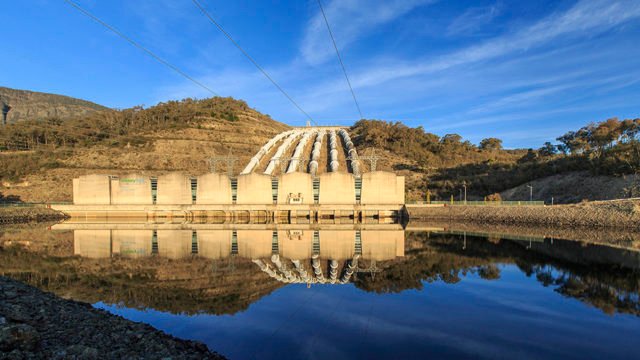
Red Energy is 100% owned by Snowy Hydro Limited, the company that runs the Snowy Mountains Hydro-electric Scheme in New South Wales. It has been selling energy to Australians since 2004, and its customer solutions team is entirely based in this country.
It supplies electricity and natural gas to homes and small businesses in:
- New South Wales
- Victoria
- South East Queensland
- South Australia
- The Australian Capital Territory
Red Energy is known for competitive market offers and strong customer service. It regularly wins Canstar’s Most Satisfied Customers awards — including best-rated electricity provider in NSW and QLD in 2026, best-rated small business electricity provider nationally, and best-rated gas provider in NSW.
Red Energy plans explained
Red Energy keeps its plan lineup fairly simple. Plans and availability vary by state and network, so always check the energy fact sheet for your own address. The plans you are most likely to come across are:
Living Energy Saver
This is Red Energy’s standard market offer — a variable-rate plan with rates below the government reference price in most areas. It suits customers who want a straightforward, flexible plan without lock-in.
Qantas Red Saver
Thanks to Red Energy’s long-running partnership with Qantas, this plan lets you earn Qantas Frequent Flyer points on eligible energy accounts, plus a sign-up points bonus when you join. The underlying rates are generally the same as Living Energy Saver, so the points are effectively a free extra if you already collect them.
Red BCNA Saver
A plan linked to Breast Cancer Network Australia. A portion of the plan’s value supports BCNA’s work, making it a pick for customers who want their energy spend to contribute to a cause.
Red Rotary Saver
Another community-linked plan, tied to Rotary clubs. Similar in pricing to the other saver plans, with the community connection as the main draw.
Red Taronga Flex and Red Wildlife Saver
Conservation-linked plans tied to Taronga Zoo. They work the same way as the other saver plans on rates, with the partnership supporting wildlife conservation efforts.
Standing Offer
The default regulated plan you fall onto if you never choose a market offer. It is almost always more expensive than Red Energy’s market plans, so if you see “Standing Offer” on your bill, ask to be moved to a market plan.
Worth knowing: Red Energy does not offer fixed-rate plans — all its market offers are variable, so rates can move. It also applies standard connection, disconnection and metering fees, which is normal across the industry.
What do Red Energy plans cost?
Exact prices depend on your state, network and meter type, and they move often. To give a rough sense of where Red Energy sits: independent estimates in October 2026 put the Living Energy Saver plan for a typical Sydney home (3,900 kWh a year on a single-rate tariff) at around $1,694 a year — roughly 10% under the reference price. For a typical Melbourne home (4,000 kWh), the same plan was estimated at about $1,368 a year, around 7% under the Victorian Default Offer.
Those are estimates, not quotes, and your bill depends on your actual usage. Before signing up, always read the Energy Fact Sheet for your address. It lists the daily supply charge, usage rates, any conditional discounts, and how the plan compares to the reference price in your area.
Red Energy and solar
If you have rooftop solar, check the feed-in tariff carefully. Red Energy’s standard solar feed-in rates are on the modest side — in the low single cents per kilowatt-hour in most states — and its dedicated solar plans are only available in Queensland. If you export a lot of solar power, a retailer with a higher feed-in tariff may beat Red Energy on total cost even with a slightly higher usage rate.
How to sign up for Red Energy
Signing up is done online or over the phone and takes a few minutes. You will need a copy of a recent bill (or your meter details if you are moving), your ID, and your bank or card details if you want direct debit set up from day one.
If you are switching retailers, Red Energy handles the transfer — there is no interruption to your supply, and you do not need to call your old retailer. The switch usually completes within a few business days. If you are moving house, tell Red Energy before the move so power or gas is connected on time; same-day or after-hours urgent connections need a phone call.
There are no exit fees or lock-in contracts on Red Energy’s market plans, so you can leave whenever you like if a better deal turns up.
Red Energy login: MyAccount and the app
Existing customers manage their accounts through MyAccount on the Red Energy website or through the Red Energy app on their phone. Once registered you can view and download bills, pay securely (including PayTo and PayPal in the app), set up direct debit or EvenPay, add concessions, update your details, and arrange a move. If you are locked out, the help centre has error code guides, or you can call for a hand.
Red Energy contact details
- Phone: 131 806
- Hours: Monday to Friday 8.00am–8.30pm, Saturday 9.00am–5.30pm (AEST/AEDT). Closed on public holidays.
- Post: PO Box 4136, East Richmond VIC 3121
For urgent connections or disconnections, call rather than using the online form.
Red Energy reviews: the pros and cons
Pros
- High customer satisfaction — repeated Canstar award wins in NSW and QLD
- Qantas Frequent Flyer points on eligible plans
- Australian-based support team
- GreenPower add-ons available for those who want greener energy
- No exit fees or lock-in contracts
- Charity and conservation-linked plan options
Cons
- No fixed-rate plans — all rates are variable
- Dedicated solar plans only available in Queensland
- Modest solar feed-in tariffs in most states
- Standard connection, disconnection and metering fees apply
Frequently asked questions
Is Red Energy Australian owned?
Yes. Red Energy is 100% owned by Snowy Hydro Limited, which owns and runs the Snowy Mountains Hydro-electric Scheme in NSW.
Does Red Energy offer gas plans?
Yes, Red Energy sells natural gas in NSW, Victoria, Queensland, South Australia and the ACT. Its gas plans carry similar names and incentives to its electricity plans.
Can I get Qantas points with Red Energy?
Yes — the Qantas Red Saver plan lets you earn Qantas Frequent Flyer points on eligible accounts, with a points bonus when you sign up.
Does Red Energy charge exit fees?
No. Its market plans have no exit fees and no lock-in contracts.
How do I submit a meter reading to Red Energy?
If you receive an estimated bill and are eligible, you can submit a self meter read through MyAccount or the Red Energy app.