
Buy now pay later lets you take something home today and pay for it in smaller instalments over the next few weeks or months, instead of paying the full price upfront. It sounds simple, and it is — but it is still a form of credit, and the fees and rules around it matter more than the ads suggest.
Quick answer: You choose a buy now pay later (BNPL) option at checkout, pay the first instalment straight away, and the rest comes out of your linked card automatically on set dates. You usually pay no interest if you pay on time, but you can be charged late fees and other fees if you miss a payment. Since 10 June 2025, BNPL has been regulated as credit, so providers must check you can afford it. For the official basics, see MoneySmart’s guide to buy now pay later services.
How buy now pay later works
Here is the usual process, step by step:
- Pick it at checkout. At an online store or in a shop, choose a BNPL option such as Afterpay or Zip Pay instead of paying in full.
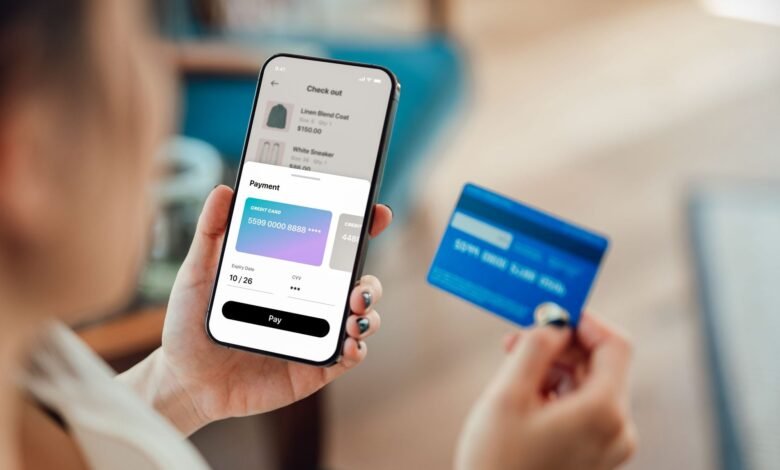
- Sign up or log in. You create an account with your details and link a debit or credit card. Approval is usually quick, but providers now have to make responsible lending checks.
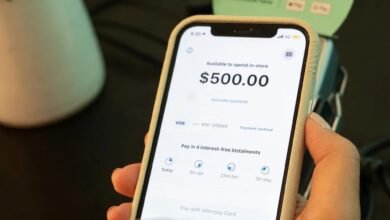
- Pay the first instalment. With the most common plan, pay in 4, you pay about 25% of the total at the time of purchase.
- The rest comes out automatically. The remaining payments are deducted from your card on set dates — with Afterpay’s pay in 4, that is three more payments roughly every two weeks, over about six weeks.
- The shop gets paid in full. The provider pays the retailer upfront, and you owe the provider, not the shop.
A simple example: a $200 purchase on a pay in 4 plan means $50 at checkout, then $50 after two weeks, $50 after four weeks, and a final $50 after six weeks. Pay all four on time and the total you pay is $200 — no interest.
What does buy now pay later cost?
The headline is “interest-free”, and for the purchase itself that is usually true. The costs come from fees instead. MoneySmart lists the fees to watch for:
- Late fees — charged if you miss a payment or pay late.
- Monthly account-keeping fees — some providers charge a fixed monthly fee whether you buy anything or not.
- Payment processing fees — some charge a small fee each time a payment is taken.
- Establishment fees — some charge a fee to set up the account.
- Bank fees — if a scheduled payment bounces because there is not enough money in your account, your bank may charge an overdrawn fee on top.
Afterpay’s own terms give a clear example of how late fees work: for orders of $40 or more, a missed payment attracts a $10 late fee, plus a further $7 if it is still unpaid after seven days, with total late fees capped at 25% of the order value or $68, whichever is lower. Other providers have different fee schedules, so always read the terms for the provider you are actually using — never assume one provider’s fees apply to another.
The big change: BNPL is now regulated credit
Before June 2025, BNPL sat largely outside the credit laws that cover credit cards and loans. That changed on 10 June 2025, when most BNPL products became low cost credit contracts under the National Consumer Credit Protection Act. In plain terms, that means:
- Providers must hold an Australian credit licence.
- Responsible lending checks apply to new BNPL contracts entered into on or after 10 June 2025 — the provider must check the arrangement is not unsuitable for you.
- Providers must be members of the Australian Financial Complaints Authority (AFCA), a free service if something goes wrong.
- You can ask for financial hardship help if your situation changes, and the provider must respond within 21 days (or sooner if it asks you for more information).
This is why older guides that say BNPL is “unregulated” are now out of date. If you are comparing providers, look for current information dated after June 2025.
Does buy now pay later affect your credit score?
Yes, it can — and this is one of the biggest misunderstandings about BNPL. MoneySmart warns that your BNPL arrangements, applications and late fees may appear on your credit report, and lenders will consider them when you apply for other loans, such as a car loan or a mortgage. Every application can trigger a credit check, a run of many checks can look like a red flag to lenders, and late or missed payments can be reported and can lower your score. If a home loan or car loan is on your horizon, keep your BNPL use light and your payments on time. You can read more in our guide to what a credit score is.
Buy now pay later vs lay-by vs credit card
| Option | When you get the goods | Interest | Main catch |
|---|---|---|---|
| Buy now pay later | Straight away | Usually none if paid on time | Late and account fees; can affect your credit report |
| Lay-by | Only after the final payment | Usually none | You wait for the goods; no late or account-keeping fees in the same way |
| Credit card | Straight away | Charged on balances left after the interest-free period | Interest can build quickly if you carry a balance |
BNPL sits in the middle: faster than lay-by, cheaper than a credit card balance if you pay on time, but riskier than both if you miss payments or stack up several plans at once.
Who is buy now pay later good for — and who should skip it?
It can work well when you have a planned purchase, the money to cover every instalment is already in your budget, and you will only run one plan at a time. For example, spreading a $200 pair of work shoes over six weeks when payday timing is the only problem is a reasonable use.
Think twice if any of these apply: you are already juggling several BNPL plans, you are using it for everyday essentials like groceries because money is short, you are not sure the money will be in your account on each due date, or you are about to apply for a home loan. In those cases, saving up first or using lay-by is usually the safer move.
How to use buy now pay later safely
- Count the total, not the instalment. A $50 payment sounds small; a $200 commitment across four paydays is the real number.
- One plan at a time. Multiple plans with different due dates are how missed payments happen.
- Set reminders before each due date and check the money is in the linked account.
- Read the fee schedule before you sign up — late fees, monthly fees and caps vary by provider.
- Know your hardship rights. If your income drops, contact the provider early and ask about hardship help rather than letting payments fail.
Frequently asked questions
Is buy now pay later interest-free?
Usually yes, for the purchase itself, as long as you pay on time. You pay fees instead of interest — mainly late fees, and sometimes monthly or processing fees.
Can I use buy now pay later with bad credit?
Providers now carry out responsible lending checks, so approval is not guaranteed. A history of missed BNPL payments can also count against you with other lenders.
What happens if I miss a payment?
You will usually be charged a late fee, your account may be paused so you cannot make new purchases until you are up to date, and the missed payment may be reported on your credit report.
Is buy now pay later better than a credit card?
For a single planned purchase paid off on time, BNPL is usually cheaper, because there is no interest. For ongoing spending or a balance you cannot clear quickly, a credit card’s interest can still work out cheaper than repeated BNPL late fees — but the best option is the one you can pay off on time. Our comparison of Afterpay vs Zip Pay shows how two popular providers differ in practice.
The bottom line
Buy now pay later is a useful tool when it is used for one planned purchase at a time, with every instalment already covered in your budget. Treat it as what it now legally is — credit — and it stays cheap. Treat it as free money, stack up plans, and the fees and credit-report effects can make a small purchase surprisingly expensive.