

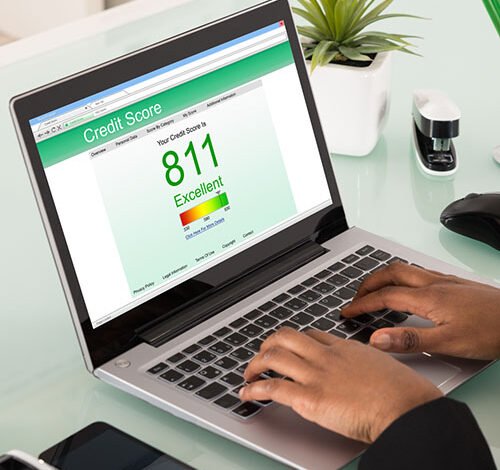
If you have ever applied for a credit card, a car loan or a home loan, you have probably heard the term credit score. But what does that number actually mean, and where does it come from? In short, your credit score is a single number that sums up how you have handled borrowed money in the past, and lenders use it to judge how risky it would be to lend to you.
For a plain-English explanation from the government, see MoneySmart. Below is everything you need to know, in simple terms.
What Is a Credit Score?
A credit score is a number that represents your risk as a borrower. It is calculated from the information in your credit report, which is a detailed record of your borrowing history: the loans and credit cards you have had, whether you paid them on time, and any defaults or court judgments against you.
The higher your score, the lower the risk you appear to be in a lender’s eyes. A higher score can improve your chances of being approved for credit and may help you get a better interest rate. A low score, on the other hand, can mean a declined application or a higher rate.
Your credit score is not the only thing a lender looks at. They also consider your income, your expenses, your employment and the details of your application. But the score is often the first thing they check.
Credit Score vs Credit Report: What’s the Difference?
People often mix these two up. Your credit report is the full record — the detailed file of your credit history. Your credit score is just one number worked out from that file.
Think of it this way: the report is the whole story, and the score is the headline. If you want to understand why your score is what it is, you need to look at the report behind it. We explain the difference in more detail in our guide to credit score vs credit report.
Who Calculates Your Credit Score?
There are three credit reporting bodies in the country: Equifax, Experian and illion. Each one keeps its own version of your credit file and works out its own score from it.
That means you do not have just one credit score — you have three, and they can be different. One bureau might have slightly different information to another, and each uses its own formula, so the numbers rarely match exactly. This is completely normal.
Equifax is the largest of the three and the one most major banks check first. Experian and illion are also widely used by lenders, phone companies and other credit providers.
What Counts as a Good Credit Score?
What counts as “good” depends on which bureau worked out the score, because each uses a different scale.
Equifax (0 to 1,200)
- Below average: 0–459
- Average: 460–660
- Good: 661–734
- Very good: 735–852
- Excellent: 853–1,200
Experian (0 to 1,000)
- Below average: 0–549
- Fair: 550–624
- Good: 625–699
- Very good: 700–799
- Excellent: 800–1,000
illion (0 to 1,000)
- Good: 500–699
- Great: 700–799
- Excellent: 800–1,000
As a rough rule, a score in the “good” band or above puts you in a strong position. But remember, there is no single magic number that guarantees approval — lenders each have their own criteria.
What Affects Your Credit Score?
Several things feed into your score. Using Equifax’s published weightings as an example:
- Credit enquiries and applications (about 40%): Every time you apply for credit, it is recorded on your file. Several applications in a short period can pull your score down, because it can look like you are desperate for credit.
- Repayment history (about 38%): Whether you pay your loans, cards and bills on time. This is the single biggest habit that matters — missed or late payments hurt, while a steady run of on-time payments helps.
- Adverse events (about 7%): Defaults, serious infringements and court judgments drag your score down and stay on your file for years.
- Length of credit history and account details: How long you have held credit accounts, and the types and amounts of credit you have, also play a smaller part.
Positive habits build slowly, but damage can happen fast. One missed payment will not ruin you forever, but a pattern of them will.
Why Does Your Credit Score Matter?
Your score matters whenever you ask someone to lend you money or trust you with a payment plan. That includes home loans, car loans, personal loans, credit cards, and sometimes even phone plans and rental applications.
A strong score can mean approval, a lower interest rate and more choice of lenders. A weak score can mean a declined application, a higher rate, or being offered credit only by specialist lenders. Knowing your score before you apply lets you fix problems first instead of being surprised by a rejection — and a rejection itself is recorded on your file.
How to Check Your Credit Score for Free
You are entitled to a free copy of your credit report every three months from each of the three bureaus, as well as within 90 days of being denied credit. You can request it directly from Equifax, Experian or illion, or use one of the free apps that show your score — we list the best options in our guide to free credit score apps.
Checking your own score does not hurt it. Only applications for credit (hard enquiries) are recorded in a way that can lower your score.
When you get your report, read it carefully. Mistakes do happen — an account you never opened, a payment marked late that you paid on time. If you spot an error, contact the credit provider and ask them to fix it. An unexplained entry can also be an early sign of identity theft, so it is worth checking at least once a year.
How to Improve Your Credit Score
- Pay on time, every time. Set up automatic payments or calendar reminders so nothing slips through.
- Limit new applications. Only apply for credit you genuinely need, and avoid several applications close together.
- Fix errors on your report. Dispute anything that is wrong — a corrected entry can lift your score.
- Keep old accounts open where it makes sense. A longer credit history generally works in your favour.
- Be patient. Repayment history is kept for two years and most other negative entries for five, so improvement takes time — but steady habits do move the number.
Common Questions About Credit Scores
Do I have a credit score if I have never borrowed money?
You may have a thin file or no score at all. Lenders build your score from your borrowing record, so with no credit history there is little for them to judge. This is one reason people ask whether you need a credit card to build a credit score — the short answer is no, but some form of credit history does help.
Does checking my own score lower it?
No. Checking your own report is a soft enquiry and does not affect your score. Only credit applications made to lenders are recorded as hard enquiries.
Can a bad credit score be fixed?
Yes, but not overnight. Negative entries fade with time — repayment history after two years, most defaults and enquiries after five — and consistent on-time payments in the meantime steadily rebuild your score.
The Bottom Line
A credit score is simply a number that sums up your borrowing history so lenders can judge risk quickly. You have three of them — one from each bureau — and each uses a different scale. Pay on time, apply for credit sparingly, check your report regularly, and your score will take care of itself over time.