
Solar panels can last 25 years or more, but a bad install can undo all of that. A system that is poorly designed, wired the wrong way or fitted with cheap parts will underperform for its whole life, and fixing it later is expensive. That is why choosing the right installer matters just as much as choosing the right panels. The good news is that you can sort the good installers from the dodgy ones with a few simple checks. Here is how to do it, step by step. Start by checking any installer against the Solar Accreditation Australia register before you let them near your roof.
Why the installer matters more than the panels
Two installers can quote you the exact same panels and still deliver very different systems. One designs the layout around your roof, your shading and how your household actually uses power. The other sells you whatever they have in stock, mounts it where it is easiest, and disappears once the invoice is paid. The first system quietly saves you money for decades. The second one can leave you with low output, warranty fights and, in the worst cases, a safety risk. Spending an hour checking an installer before you sign is the cheapest insurance you will ever buy.
Step 1: Check their Solar Accreditation Australia accreditation
This is the single most important check, and it takes about a minute. In Australia, solar installers and system designers must be accredited by Solar Accreditation Australia (SAA), which took over the accreditation scheme from the Clean Energy Council in 2024. Ask the installer for their SAA accreditation number, then look it up on the SAA accreditation status check to make sure it is current.
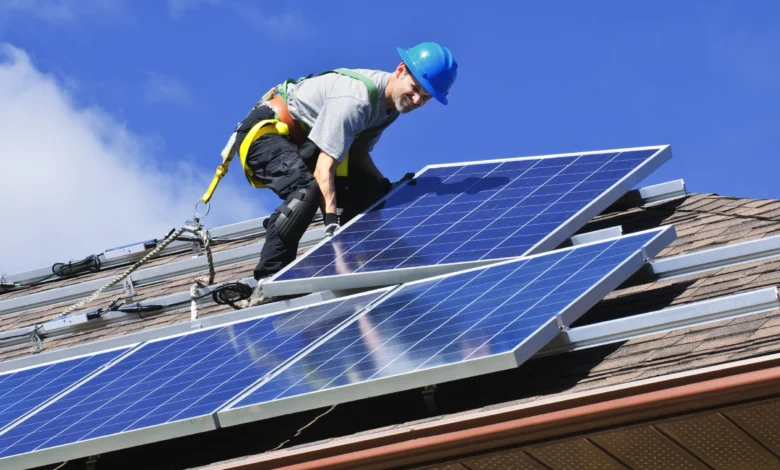
Two things to watch here. First, check that the person who will actually climb onto your roof is the accredited one, not just someone in the office. Some companies use subcontractors, and the accreditation belongs to the individual, not the company name on the van. Second, if you are adding a battery, the installer needs a battery endorsement on top of their normal accreditation. Without the right accreditation, you are not eligible for the federal rebates — the small-scale technology certificates for panels and the home battery rebate both depend on it.
Step 2: Check their electrical licence
Every state and territory licenses electrical contractors, and a solar installer must hold one. Check the business itself, not just the salesperson, through your state regulator: in New South Wales it is the NSW Government licence check, in Victoria it is Energy Safe Victoria, in Queensland it is the Electrical Safety Office, and in South Australia it is Consumer and Business Services. If a company cannot show you a current licence, or the licence belongs to someone else, walk away.
Step 3: Check the products are on the approved lists
The panels, inverter and battery must all be on the Clean Energy Council’s approved product lists to qualify for rebates and to connect to the grid. A good quote names the exact brand and model of every part, not “tier 1 panels” or “premium battery”. If a quote will not name the products, you cannot check their warranties, their reviews or whether they are even approved — and that is a deliberate choice by the seller, not an accident. If you are not sure which inverter suits your system, our guide to the best solar inverters explains the main brands and what they cost.
Step 4: Look for a New Energy Tech Consumer Code Approved Seller
The New Energy Tech Consumer Code (NETCC) is a voluntary, ACCC-authorised code for solar and battery sellers. Businesses that sign up — called Approved Sellers — commit to honest sales practices: no claiming to be part of a government scheme, no high-pressure tactics, and quotes that show the total price, the deposit, an itemised list, expected performance, warranties and your cooling-off rights on the front page. Their quotes must also stay valid for at least 10 business days. You can find Approved Sellers on the NETCC website. It is a good sign, not a guarantee, so keep checking the rest of this list too.
Step 5: Get at least three quotes — and read them properly
Never take the first quote you are given. Get at least three, from three different installers, and compare them line by line. A proper quote should show the exact products and quantities, the system size in kilowatts and the battery size in usable kilowatt-hours, the total price including GST, the rebates taken off (with the number of certificates), the deposit and when each payment is due, a site-specific design, expected yearly production and savings with the assumptions behind them, every warranty, whether blackout backup is included, and any extras such as a switchboard upgrade. If a quote is a single number on one page with no detail, it is not a quote — it is a guess.
As a rough guide, a typical 6.6kW rooftop system costs around $5,000 to $8,500 after the federal rebate, depending on the parts and your roof. A quote far below that range is not a bargain. It usually means cheaper panels, a cheaper inverter, or corners cut on the install. If you are still deciding whether a battery is worth it at all, read our solar panels vs solar battery comparison first, so you know what you are actually buying.
Step 6: Compare warranties, not just prices
Every part of the system has its own warranty, and they are very different:
- Panels: a product warranty, often 10 to 25 years, plus a performance warranty, usually 25 years.
- Inverters: usually 5 to 10 years for string and hybrid inverters, longer for microinverters.
- Batteries: usually 10 years, with a retained-capacity figure and often a throughput limit.
- Workmanship: usually at least 5 years. NETCC Approved Sellers must give at least 5 years on the whole system.
Warranties sit on top of your rights under Australian Consumer Law, not instead of them. Also ask who handles a warranty claim if something fails in five years — the installer, or a manufacturer overseas? A local installer with a long trading history is worth more than a slightly cheaper quote from a company that only opened last year.
Step 7: Spot the red flags before you sign
Walk away from any installer who does any of these things:
- Claims to be from, or working with, a “government program”. Governments do not sell solar door to door or by phone.
- Pressures you to sign today, or invents a rebate “deadline” to rush you. The rebate is set by the installation date, not by when you sign.
- Offers a discount in exchange for a testimonial, a referral or a “display home” spot.
- Quotes a price far below everyone else, will not name the products, or never visits your property to assess the roof.
- Asks for a large deposit before the design is confirmed, or pushes finance as the only way to pay.
Know your cooling-off rights
If you sign after an unsolicited visit or phone call, Australian Consumer Law gives you a 10 business day cooling-off period, starting the business day after you sign or receive the agreement. During that time the seller cannot take payment or start work, and must leave your property if you ask. Door-to-door sellers can only visit between 9am and 6pm on weekdays and 9am to 5pm on Saturdays — never on Sundays or public holidays. If you approached the installer yourself, this cooling-off period does not apply, so read the contract before you sign it, not after.
After the install: what you should receive
A good installer does not just pack up and leave. Before they go, make sure you receive the electrical compliance certificate for your state, all warranty documents, the rebate paperwork you signed, and confirmation that your network has approved the grid connection. They should also show you how to use the system and its monitoring app, so you can see what your panels are producing day to day. Keep every document in one place — you will need them if anything ever needs a warranty claim. And remember that panels do not produce power at night, so check our guide on do solar panels work at night to understand what happens after dark, and our guide to solar feed-in tariffs to see what you earn for the power you send back to the grid.
What to do if something goes wrong
Contact the installer first and give them a chance to fix it — most problems are sorted that way. If they will not help, contact your state’s fair trading office or electrical safety regulator. For problems with the rebate itself, the Clean Energy Regulator is the right body. Keep copies of your contract, quotes, emails and photos of the installation, because every one of those bodies will ask for them.
Frequently asked questions
How do I check if a solar installer is accredited?
Ask for their Solar Accreditation Australia number and check it on the SAA accreditation status check. If you are getting a battery, confirm the installer also holds a battery endorsement.
How many quotes should I get for solar?
At least three, from three different installers. Compare them line by line — products, warranties, total price including GST, rebates, deposit and payment schedule — not just the bottom-line number.
What warranty should a solar installer give?
At least 5 years on workmanship is common, and NETCC Approved Sellers must give at least 5 years on the whole system. Panels usually carry 10 to 25 year product warranties, inverters 5 to 10 years, and batteries around 10 years.
Is there a cooling-off period for solar?
Yes, if you signed after an unsolicited visit or phone call: 10 business days under Australian Consumer Law, starting the business day after you sign or receive the agreement.
Is the government selling solar door to door?
No. Federal rebates come through accredited installers. Governments do not sell solar by phone or door to door — treat anyone claiming otherwise with suspicion.
Choosing a solar installer is not complicated, but it does take a little patience. Check the accreditation, check the licence, get three detailed quotes, read the warranties, and trust your gut when something feels rushed or too cheap. The right installer will welcome every one of those checks. The wrong one will try to talk you out of them — and that tells you everything you need to know.