If you have never had a credit card, a loan, or a phone plan in your name, you probably have little or no credit history. That does not mean you have a bad credit score — it means lenders have almost nothing to judge you on. The good news is that building a credit score from scratch is straightforward: you need a few accounts in your name, and a steady record of paying them on time. This guide explains how to build a credit score step by step, how long it takes, and the mistakes to avoid. For the official basics on how scores and reports work, see Moneysmart’s guide to credit scores and credit reports.
What “building a credit score” actually means
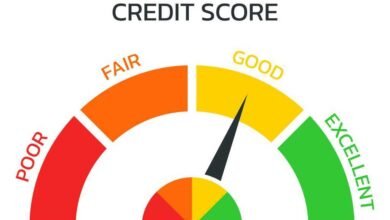
Your credit score is a number based on the information in your credit report. In Australia, there are two main credit reporting bodies — Equifax and Experian — and each calculates your score on its own scale. Equifax scores run from 0 to 1,200, while Experian scores run from 0 to 1,000.
When you have never used credit, your file is “thin”: there is little or no repayment history for the bureaus to score. Lenders see this as a risk, not because you did anything wrong, but because they cannot see how you handle borrowed money. Building a credit score means creating that history — slowly, and with on-time payments.
Under comprehensive credit reporting, your file records positive information as well as negative information. Every on-time payment helps. That is why the habits you build now matter more than any single product you sign up for.
How to build a credit score from scratch
Follow these steps in order. You do not need to do them all at once — one or two accounts, managed well, are enough to start.
Step 1: Check your credit report first
Before you apply for anything, get a free copy of your credit report from Equifax and Experian. You have the right to a free copy every three months, and it is worth checking at least once a year. Look for errors, accounts you do not recognise, or old defaults. If something is wrong, ask the reporting body to fix it — this is a free service. Knowing where you stand stops you from applying for products you are unlikely to get.
Step 2: Put bills in your name
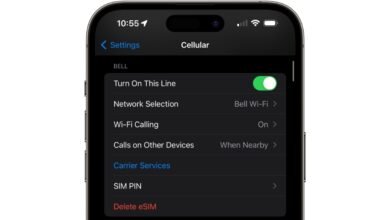
One of the easiest ways to start building credit history is to put everyday bills in your name — a post-paid mobile phone plan, an internet plan, or a utility account such as electricity or gas. Under comprehensive credit reporting, your repayment history on these accounts can be recorded. Pay them on time, every time, and you are building positive credit history without taking on any debt.
A mobile phone contract counts as credit, so the provider will run a credit check when you apply, and you need to be 18 or older.
Step 3: Consider a low-limit credit card
A low-limit credit card is one of the most effective ways to build credit history, but only if it is used carefully. Cards with a minimum limit of $500 to $1,000 are lower risk for lenders to approve, so they suit people with a thin file. Use the card for small, regular spending — groceries or petrol, for example — and pay the full balance every month. Never spend money on a credit card that you cannot pay back in full when the statement arrives.
If you are unsure whether a card is the right first step, read our guide on whether you need a credit card to build a credit score.
Step 4: Pay everything on time, every time
Payment history is the single most important factor in your score. A missed payment — one not made within 14 days of the due date — can be recorded on your file, and a default can stay there for five years. Set up direct debits for at least the minimum payment on every account, and set a calendar reminder a few days before each due date. If money is tight in a particular month, contact the provider before the due date and ask about a hardship arrangement — sticking to an agreed arrangement keeps you shown as up to date.
Step 5: Keep your balance low
Lenders look at how much of your available credit you are using. As a rule, keep your balance below 30% of your limit. On a $1,000 limit, that means owing less than $300 when your statement is issued. A low balance shows you can manage credit without leaning on it, and it also keeps interest charges small if you ever carry a balance.
Step 6: Be careful with buy now pay later
Buy now pay later services such as Afterpay and Zip are popular with young Australians, but the rules have changed. Since 10 June 2025, buy now pay later is regulated as credit in Australia, and providers must hold an Australian Credit Licence and follow responsible lending rules. Late payments can now affect your credit file, so treat these services like any other form of credit: use them sparingly, and never miss a payment.
Step 7: Limit how often you apply
Every credit application is recorded on your file, and several applications in a short period can make lenders nervous. Apply for one product at a time, and wait for the result before applying for another. Rejections are also recorded, so only apply for products you have a realistic chance of getting.
What does not build your credit score
Some everyday money habits feel like they should count, but they do not show up on your credit report:
- Using a debit card. Debit card spending comes from your own money, so it is not reported to the credit bureaus and does not build your score.
- Having a savings account. A healthy savings balance is good for your finances, but it is not credit activity and is not reported.
- Paying rent. In most cases, rent payments are not reported to the credit bureaus, so they do not build your credit history.
- Paying bills early. Paying early is fine, but it earns no extra credit — what matters is that you pay by the due date, every month.
How long does it take to build a credit score?
There is no shortcut. A first score is usually generated around three to six months after you open your first credit account, once there is enough history to score. Moving from a thin file to a “good” score — 661 and above on the Equifax scale — typically takes around 12 to 18 months of consistent, on-time behaviour.
That timeline is the reason to start early. If you plan to apply for a car loan or a home loan in the next year or two, start building your credit history now, even if you only use a small credit card or a phone plan. The history you build this year is what lenders will see next year.
Mistakes to avoid when building credit
- Applying for lots of cards at once. Each application leaves a mark, and a run of applications looks desperate to lenders.
- Only paying the minimum. It keeps the account in good standing, but interest builds up fast. Pay the full balance when you can.
- Closing your oldest account. A longer history helps your score, so keep your first card open if you can manage it responsibly.
- Ignoring your credit report. Errors happen. Check your report regularly — our guide explains how to check your credit score for free.
- Paying someone to “fix” your credit. Only wrong information can be removed from a credit report, and you can ask for that yourself for free. No company can legally remove accurate negative information.
Frequently asked questions
Can I build a credit score without a credit card?
Yes. A post-paid phone plan, internet plan, or utility account in your name can build repayment history under comprehensive credit reporting. A credit card is the fastest way to build a score, but it is not the only way.
Do I need to be 18 to build a credit score?
Yes — you need to be 18 or older to apply for credit in Australia, including a phone contract or a credit card. If you are under 18, focus on saving and learning good money habits, and start building your credit history once you turn 18.
Does checking my credit score hurt it?
No. Checking your own credit report or score does not affect it. Only applications for credit — when a lender checks your file — are recorded as enquiries.
Does buy now pay later help build my credit score?
It can, but it can also hurt you. Since buy now pay later is now regulated as credit, on-time payments may help your file, while late payments can damage it. A low-limit credit card, used carefully, is a more reliable way to build credit.
What is a good credit score to aim for?
On the Equifax scale of 0 to 1,200, a score of 661 and above is generally considered good. Higher scores can mean better interest rates and faster approvals. For more detail on what the numbers mean, see what a credit score is and how to have a good credit rating.
This article is general information only and is not personal financial advice. If you need advice about your own situation, consider speaking with a licensed financial adviser or a free financial counsellor.